
Migration 101
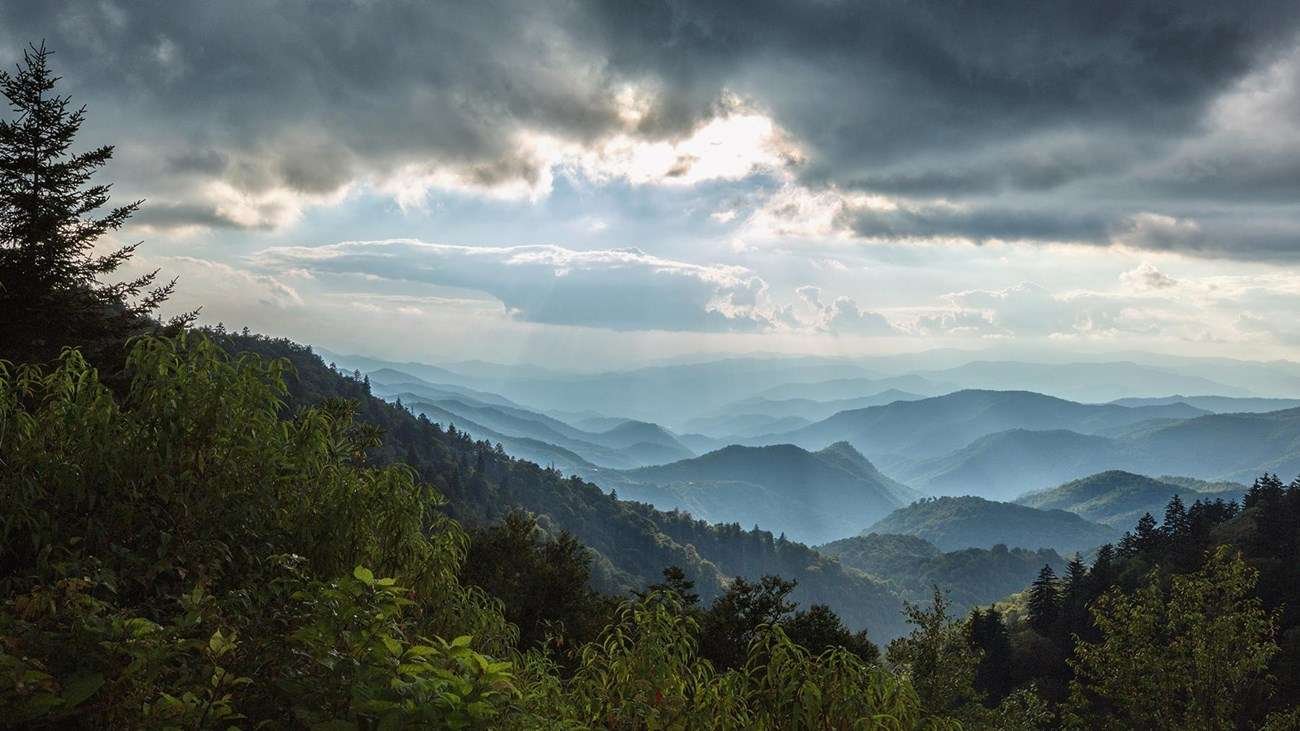
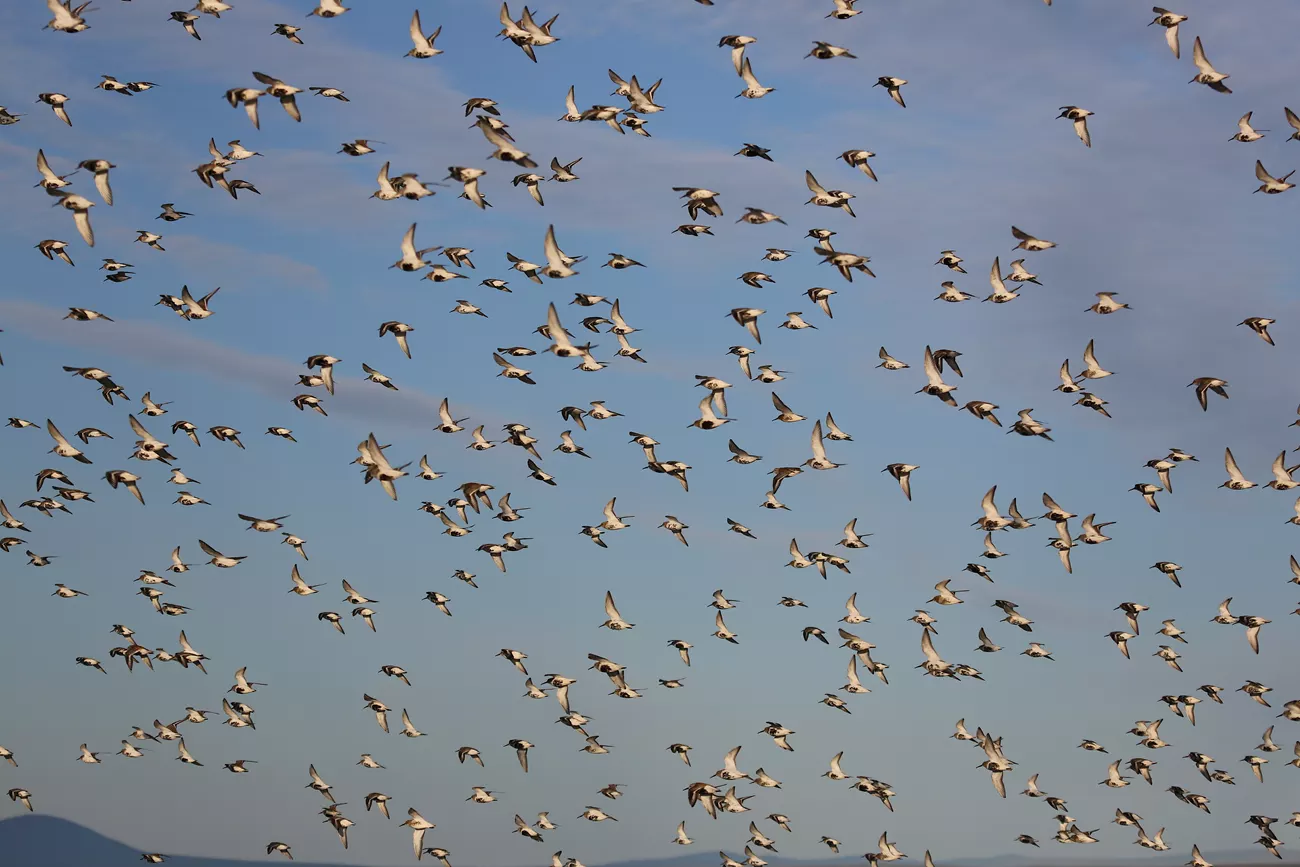
As summer fades into to Fall, many species move from their spring and summer feeding and breeding grounds to their winter homes. This massive movement is called migration.
Animal migration is the regular, often seasonal, movement that is seen in nearly all major animal groups including mammals, birds, fish and insects. Migration distances can be short or can be thousands of miles long. Migration is essential for survival. It helps animals find food, survive harsh weather or can be for breeding purposes.
The end of August and the beginning of September marks the start of Fall migration for many bird species. This process continues through November but peak travel occurs in September and October. We’ll be talking about some of the species to keep an eye out for over the next month or so.
Flyways-The Invisible Bird Highways
Why are North Carolina and South Carolina such good locations to view migrating species? Both states are located on the Atlantic Flyway, which is one of four major migration routes in the United States. They stretch from the Arctic to the Gulf of Mexico and you can think of them as “avian super highways!”
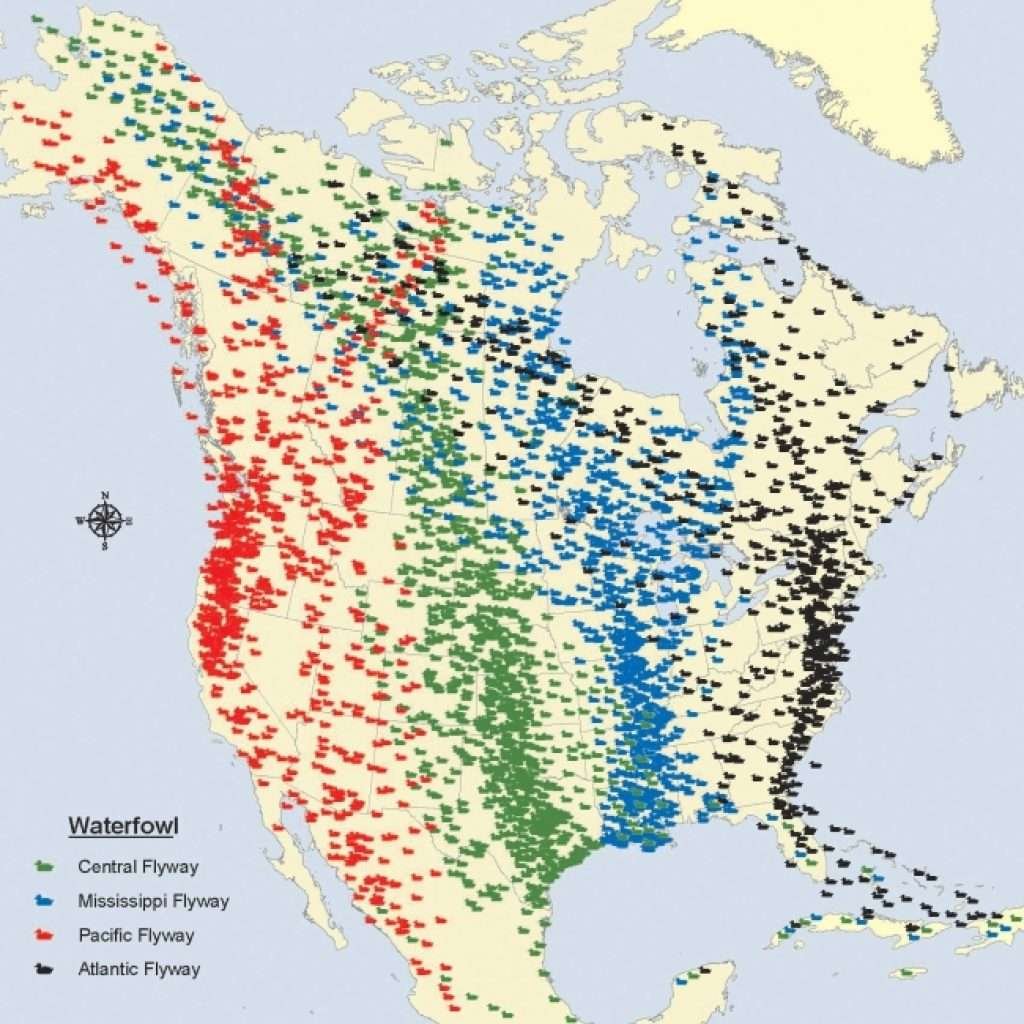
Since both states are on the Atlantic Flyway, they provide crucial stopover areas for species on the move. Our marshes, wetlands, lakes, and forests all provide food and shelter for worn out animals. Many organizations, both governmental and non-governmental, work hard to protect these lifesaving rest spots. Check out your local area and see if you have any sites that are used by migratory species and if so you have a prime viewing spot!
Prime Travel Time
Why are September and October prime travel time for migratory species including birds? As the weather turns cooler, food availability for birds such as insects and berries become less abundant especially in northern states. Less food as well as with shorter days and shifting temperatures signal the birds is time to move to better conditions.
By moving South, birds increase their chances of finding food and surviving winter. The transition months of September and October become prime migration time as the birds try to arrive at their winter grounds before resources run out and the weather turns.
Whose On The Move?
Some of the groups on the move include songbirds, raptors and waterfowl.
Songbirds such as warblers, thrushes, and vireos travel across North and South Carolina daily. However, you might not notice them because a lot of the movement is happening at night. The best time to see these travelers is on an early morning hike.
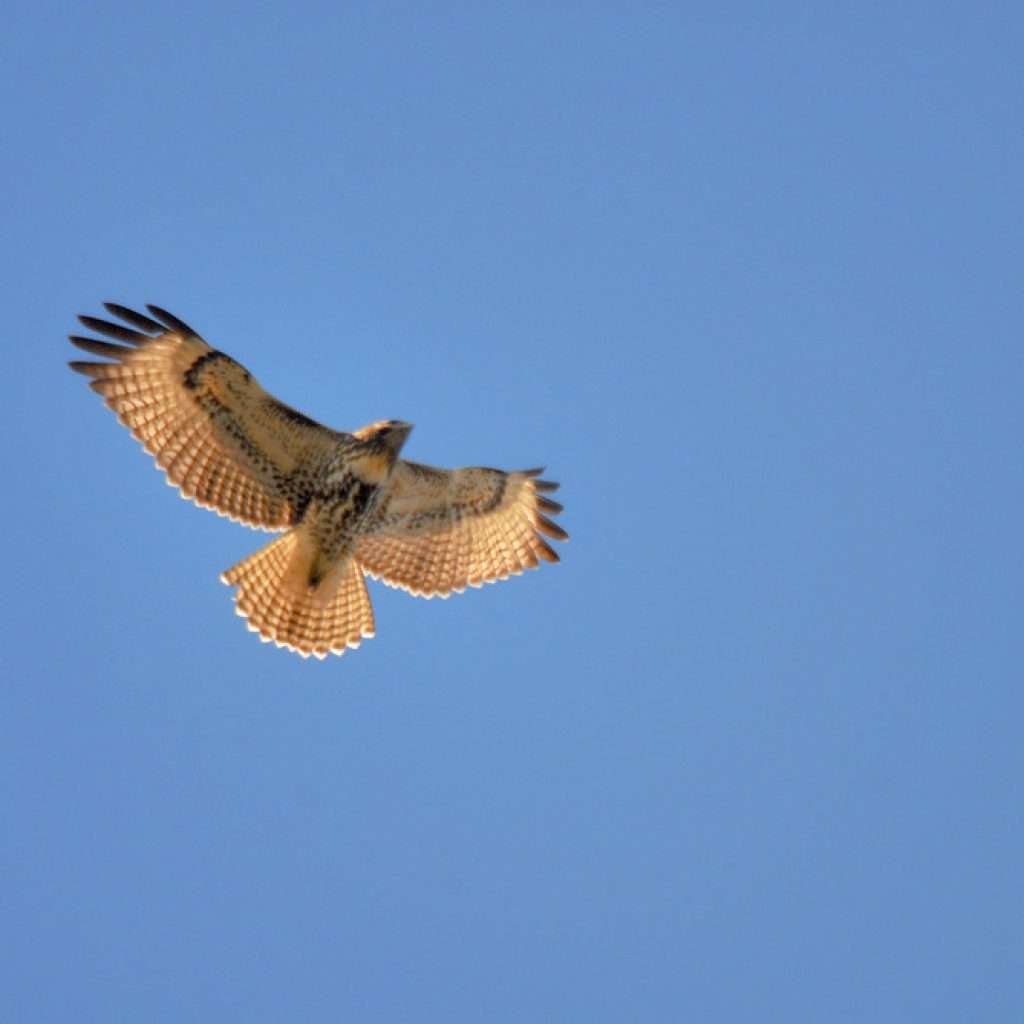
Raptors, which includes hawks, falcons and eagles, are also on the move. Their migrations occur during the day making it more noticeable than songbirds. In South Carolina, our geography is a key factor in raptor migration. The mountains of South Carolina, especially the Blue Ridge Escarpment, is a favorite pathway for hawks and other raptors due to the thermals found there.
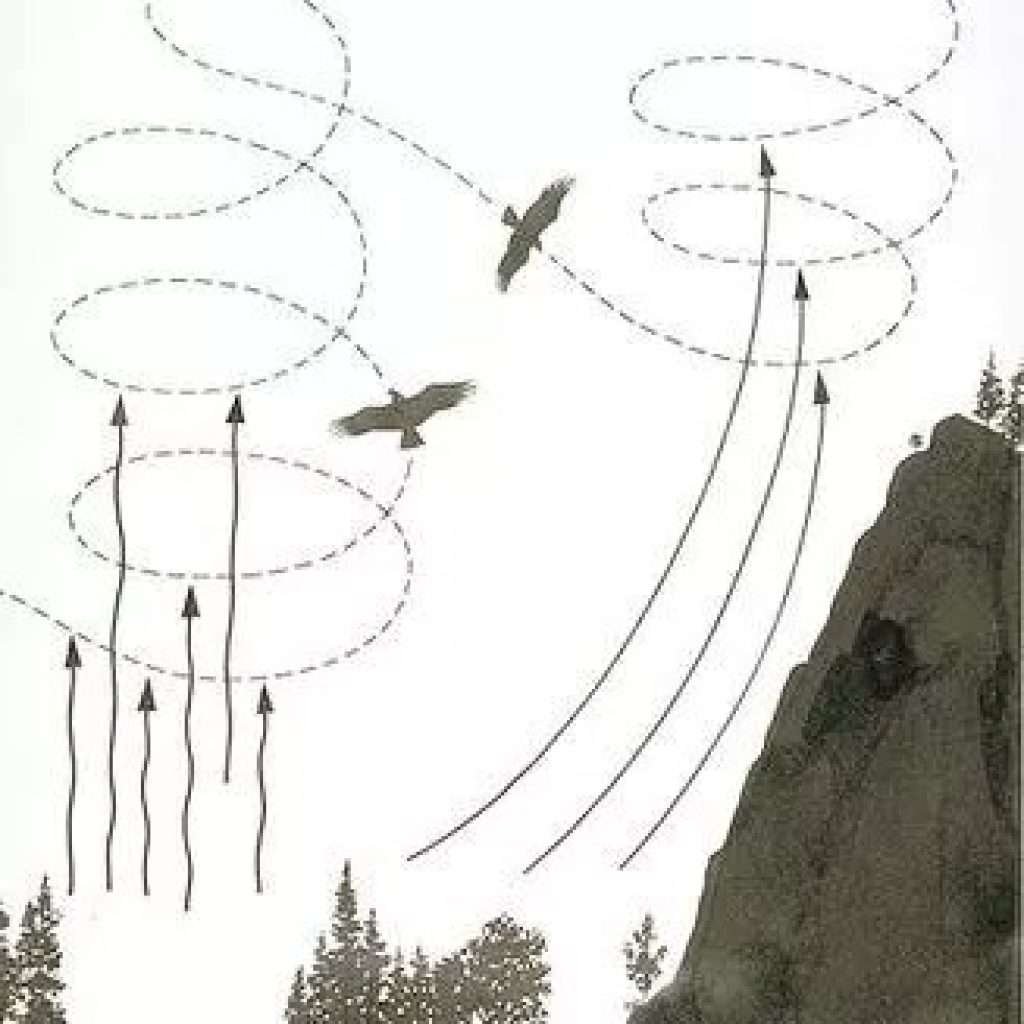
Thermals are basically rising bubbles of warm air. They provide easy, energy saving flight by providing the raptors with lift. You can see them catch a thermal and sometimes you will see a group of raptors in a tornado like formation. This formation is called a kettle. Once the bird reaches the top of the tornado, the thermal dissipates and the bird peels off, gliding forward towards their destination. It’s one of my favorite things to watch!
Pro Tip: You can see this in action at Caesars Head State Park in South Carolina. Their event Hawk Watch is September 27th.
Another group on the move are the waterfowl. Some of the species included are the Blue-winged teal, Gadwalls, Mallards, Pintails, and Wood ducks.
Best Places To Watch Migration
Earlier I mentioned that one of my favorite places to watch fall migration is at Caesars Head State Park. Hawk Watch is an amazing experience and the interpretive ranger is very knowledgeable. However, if you can’t make it to South Carolina check out your local and state parks for birding programs. You can also check with nature preserves or national parks that might be near you. Finally, if you happen to have a wetland, lake or forest nearby check it out and see who is resting there. You might also spot seasonal visitors at bird feeders or areas with native plants.
If you do spot one of these migrating species, log your sightings on INaturalist, eBird or Journey North. This data is used by scientists to track migration and migration trends.
Tips for Migration Watching
Interested in watching the migration? Maybe you are hoping to see a species you’ve never seen before? Here are some tips to help you.
- Plan ahead and have binoculars, camera, field guide and perhaps a spotting scope.
- Pick the right location such as areas with water sources as well as a forest or the edges of open spaces. Sunlight and vegetation attracts insects which in turn attracts birds. Vegetation provides cover and resting spots. Or go to a known “hotspot” to view species.
- Keep an eye on the weather. Just like us weather has an impact on migrating birds. Tail winds can help birds on their journey while heavy winds can ground them. Cold fronts and clear skies can trigger movement while fog and low clouds can cause birds to land.
- Track migration with online tools such as eBird. This will allow you to find local hotspots. Check with local birding groups to see what they are seeing and where.
Last Thoughts
Fall migration is one of nature’s greatest seasonal stories but it is not one we always notice. Take a moment this fall to look around as well as up to see who is on the move. Who knows you just might discover a new hobby–birding.
- About the Author
- Latest Posts

I have worked in the environmental education field for over 20 years, including work at zoos, aquariums, nature centers, and now state parks. My goal over the years has been to help people connect with nature and the animals that live there. I love taking people who find nature scary or intimidating and showing them how fun it can be. I have worked with wolves, cougars, monkeys, snakes, alligators, and sharks. My mom keeps asking me why I work with predators so much. She wishes I’d work with bunnies instead!
I love reading, scuba diving, kayaking, and anything else that involves water. I am not much of a hiker, but I love sitting in the forest and listening to the wind. I will travel anywhere you want me to go, and I genuinely believe seeing how others live, and love is the best way to understand others. One of my favorite memories is when I was accepted into a wolf pack that I worked with as a teenager. Two juvenile males sandwiched me between them and gave me a hug-—nothing like being the middle of a wolf sandwich!