A Budget Bill with Big Ripples
The One Big Beautiful Bill (H.R. 1) recently passed in Congress covers a lot of ground. From taxes and social programs to defense and border security. Most of these topics have been in the news and have been debated everywhere from the halls of Congress to the dinner tables of the United States. But tucked inside are some sections that haven’t received as much attention. These sections affect how our national parks and public lands are managed.
This post breaks down what these sections say, what they mean for parks, and why it matters to outdoor lovers. I’ll try to keep this clear and concise but it is a complicated topic.
What is the “One Big Beautiful Bill”?
This bill, referred to as H.R. 1, is a federal reconciliation budget and policy package that focuses on President Trump’s second-term agenda. It will impact many areas of the government including defense, border security, immigration, taxes, entitlements and more. We will be focusing on the sections that deal with land management agencies such as the National Park Service (NPS), the Bureau of Land Management (BLM), and the Forest Service (USFWS).
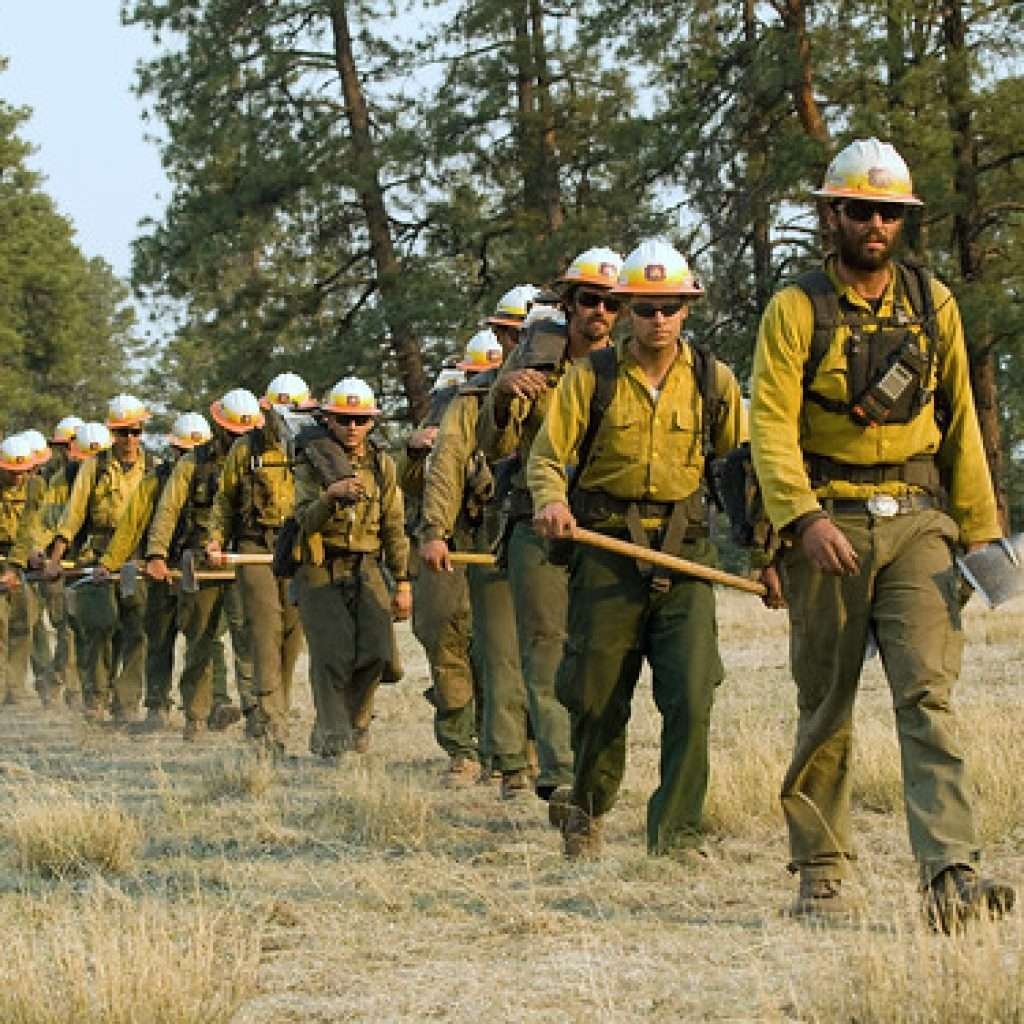
One initial provision found in the bill was removed from the bill’s final version. That provision included the sale of public lands to private entities. It would have sold lands primarily in 11 Western states. However, strong opposition from Democrats and some Republicans, resulted in it’s removal.
The final bill’s scope, even without the selling of public lands, will have both direct and indirect impacts throughout the country.
Key Provisions Affecting Land Management
In the newsletter this month, I mentioned some sections of the “One Big Beautiful Bill” that should get some review. The section I’ll be discussing in this blog is Section 80309 and Sections 80307-08
Section 80309: BLM Timber Harvest and NPS Staff Budget
- This section includes a funding reduction of approximately $267 million from NPS staffing budget. This budget supports rangers, scientists, emergency responders, and maintenance staff. NPS was already short staffed due to selective firings this past spring. This reduction in funding provided will only increase the staffing shortage. This funding would have also helped plan, implement and maintain infrastructure and other improvements across the system
- This section requires the BLM increase their timber harvests by 25% above recent averages, which could increase commericial activity near park boundaries.
Another Section 80307-08 withdrawals $12 million from NPS. This funding would have helped prepare for storms, floods and wildfires.
“This bill results in changes to National Park Service staffing levels and land management policies that will affect park operations.” —National Parks Conservation Association
The Economic Role of National Parks
There has been much discussion over the last few months about getting rid of wasteful spending and ensuring governmental efficiency. The National Park Service is one agency that contributes significantly to the nation beyond just offering recreational opportunities.
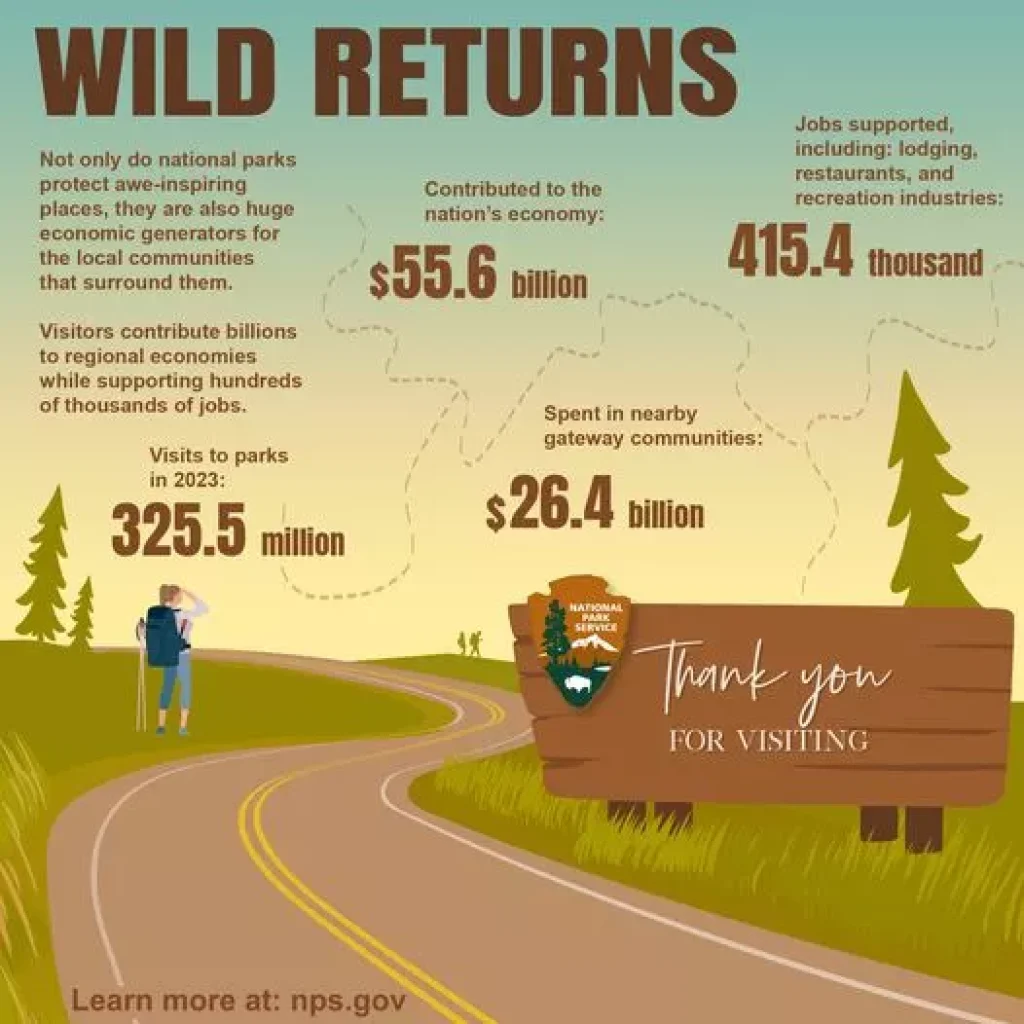
- Visitors spent over $50 billion in 2023 on lodging, dining, transport, and fees related to national parks
- The parks support more than 378, 000 jobs –including rangers, guides, hospitality works, and small business owners
- Communities near parks rely heavily on visitor spending to fuel their local economies
Potential Impacts for Visitors and Communities
As you saw above, NPS is a major economic engine in local communities. They are also a source of inspiration for visitors from all over the world and from across the United States. What impacts could be seen with the reduction in NPS’s budget?
- Visitor Centers and some parks may be closed or understaffed during peak tourism season
- Ranger led programs could be cancelled due to a lack of rangers
- Facilities may further degrade due to less funds for maintenance and less staff to see project completed
- Less staff may be available for emergency situations such as injured or lost visitors or natural disasters such as wildfires
Will this happen for sure? Maybe not. But NPS was already short staffed and with funding withdrawn, hard choices will need to be made.
Staying Engaged with Our Public Lands
While the “One Big Beautiful Bill” covers many topics, it’s helpful to understand how its provisions might influence parks and their associated outdoor spaces. How can you stay engaged?
- Follow the news on congressional decisions related to public lands and park funding. A good source for this is the National Parks Conservation Association
- Reach out to your elected officials to express you interest in the future of national parks and forests
- Support organizations dedicated to public land stewardship and conservation. We highlight new organizations monthly in our newsletter.
Final Thoughts
Our parks do more than provide pretty views– they connect us to wild places, drive local economies, and protect ecosystems we’ll never get back once they’re gone. Let’s make sure we don’t lose these irreplaceable sites due to budgetary decisions.
- About the Author
- Latest Posts

I have worked in the environmental education field for over 20 years, including work at zoos, aquariums, nature centers, and now state parks. My goal over the years has been to help people connect with nature and the animals that live there. I love taking people who find nature scary or intimidating and showing them how fun it can be. I have worked with wolves, cougars, monkeys, snakes, alligators, and sharks. My mom keeps asking me why I work with predators so much. She wishes I’d work with bunnies instead!
I love reading, scuba diving, kayaking, and anything else that involves water. I am not much of a hiker, but I love sitting in the forest and listening to the wind. I will travel anywhere you want me to go, and I genuinely believe seeing how others live, and love is the best way to understand others. One of my favorite memories is when I was accepted into a wolf pack that I worked with as a teenager. Two juvenile males sandwiched me between them and gave me a hug-—nothing like being the middle of a wolf sandwich!