Last month I outlined some of the proposed sections that were included in the Big Beautiful Bill. At the time, the bill was undergoing its final vote, which if it passed would then move to the president for his signature. The bill did indeed pass and was signed soon afterward. So, what does it mean for your nearby national parks and the National Park Service staff? Let’s dive a little deeper into the impacts.
NPS in a Nutshell
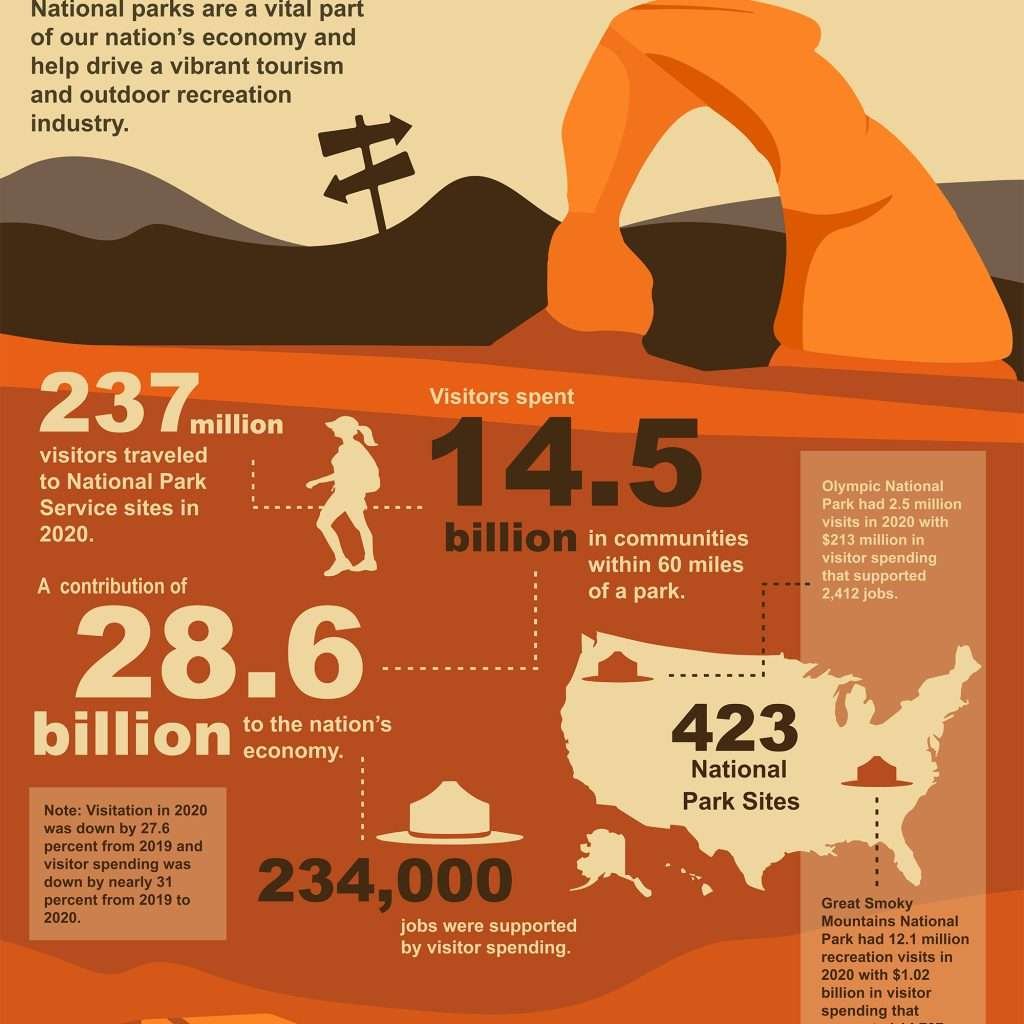
NPS served more than 331 million visitors in 2024. They generated 55.6 billion in economic output in the same year, supporting 415,400 jobs across the U.S. economy. Parks are major economic engines in the areas where they are located and in nearby communities. In additional to their economic power, the national parks are also protect some of America’s most iconic and beautiful landscapes and ecosystems. Generations of Americans have been visiting these parks, creating memories and family traditions.
NPS’s average budget is less than $5 billion, which is amazing considering how much economic impact they have. There are 63 national parks but NPS manages 433 sites nation wide with more than 85 million acres (source: https://www.nps.gov/aboutus/national-park-system.htm)
Setting the Stage
Before we talk about the impacts of the Big Beautiful Bill, let’s start with where the National Park Service (NPS) was status wise before the bill.
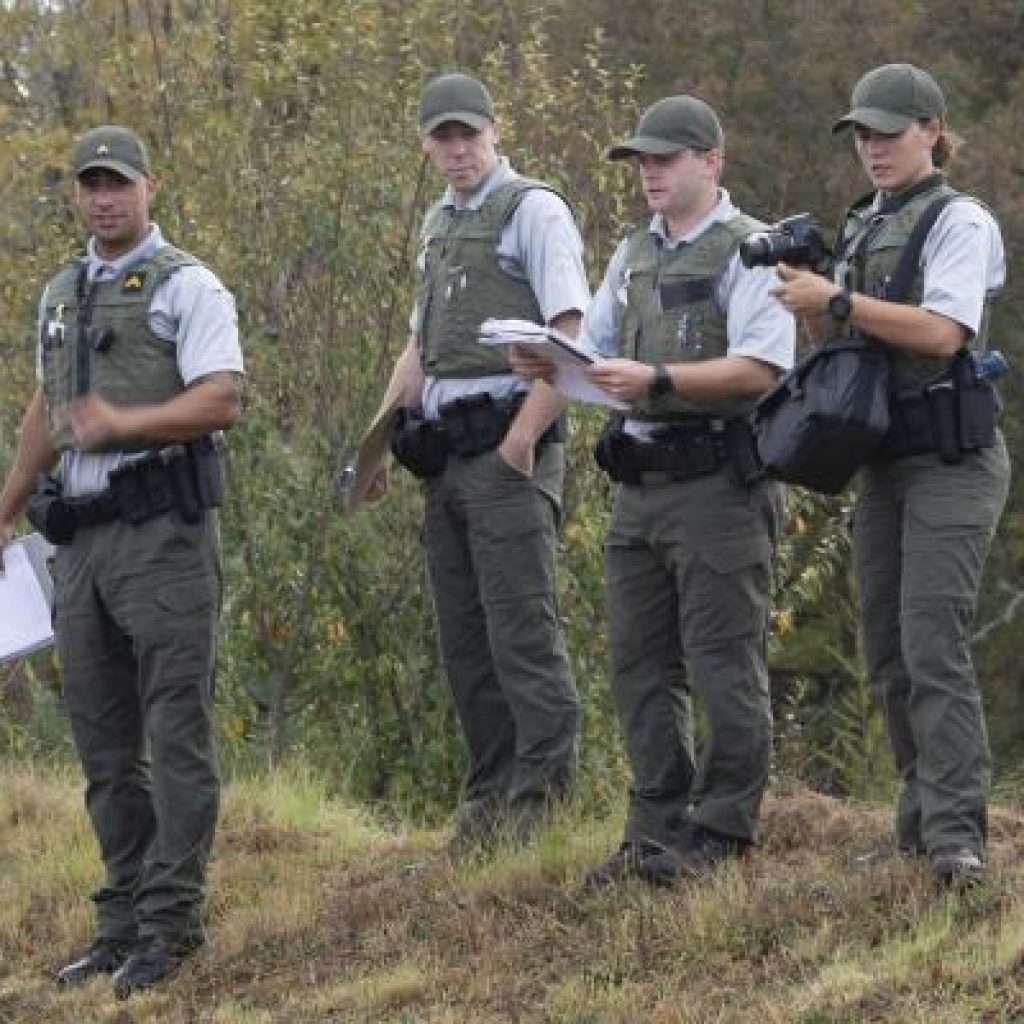
Above I discussed the impact NPS has economically as well as how their reach is truly nationwide. Now, let’s discuss the status of NPS and their staff before the BBB goes into effect. Like all park systems, NPS is constantly understaffed. Since 2010, NPS has experienced a 20% reduction in their permanent staffing. In January 2025, further reductions were ordered. This resulted in a further 24% reduction in permanent positions. In February, a hiring freeze was set in placed which delayed the hiring of seasonal employees.
This was a drastic hit to the entire system as NPS utilizes temporary staff to help them serve the millions of visitors they get during the summer season, their busiest season (source: National Parks conservation Association). So, before the BBB, NPS is down ~44% in permanent staff, they can’t bring on temporary staff, and summer is coming.
BBB impacts
In July, the BBB beautiful bill was passed. One of the sections of this bill that is concerning is that it revokes $267 million that had been previously allocated to NPS to help them address their staffing needs. This funding would have allowed NPS to hire permanent positions. With this funding now revoked, NPS will need to continue to work with a skeleton staff around the country.
In addition, there are sections of the bill that also allow for more mining, drilling, and mineral exploration near national parks. This could impact wildlife by fragmenting habitat, impact water quality with increased pollution, could erode the character and recreational parks, and in a few cases could allow actual mining in parks (source: https://www.npca.org/articles/8792-position-on-h-r-1-one-big-beautiful-bill-act#:~:text=The%20bill%20also%20rescinds%20needed,resources%2C%20including%20caribou%20and%20salmon.)
What Does this Mean for You?
National parks, actually all parks, are like small cities. There are many people doing a bunch of jobs that you never really notice during your visits. You usually notice the ranger who answers your questions, helps you find your next step, does a program, takes your ticket and so on. These rangers are the face of NPS.
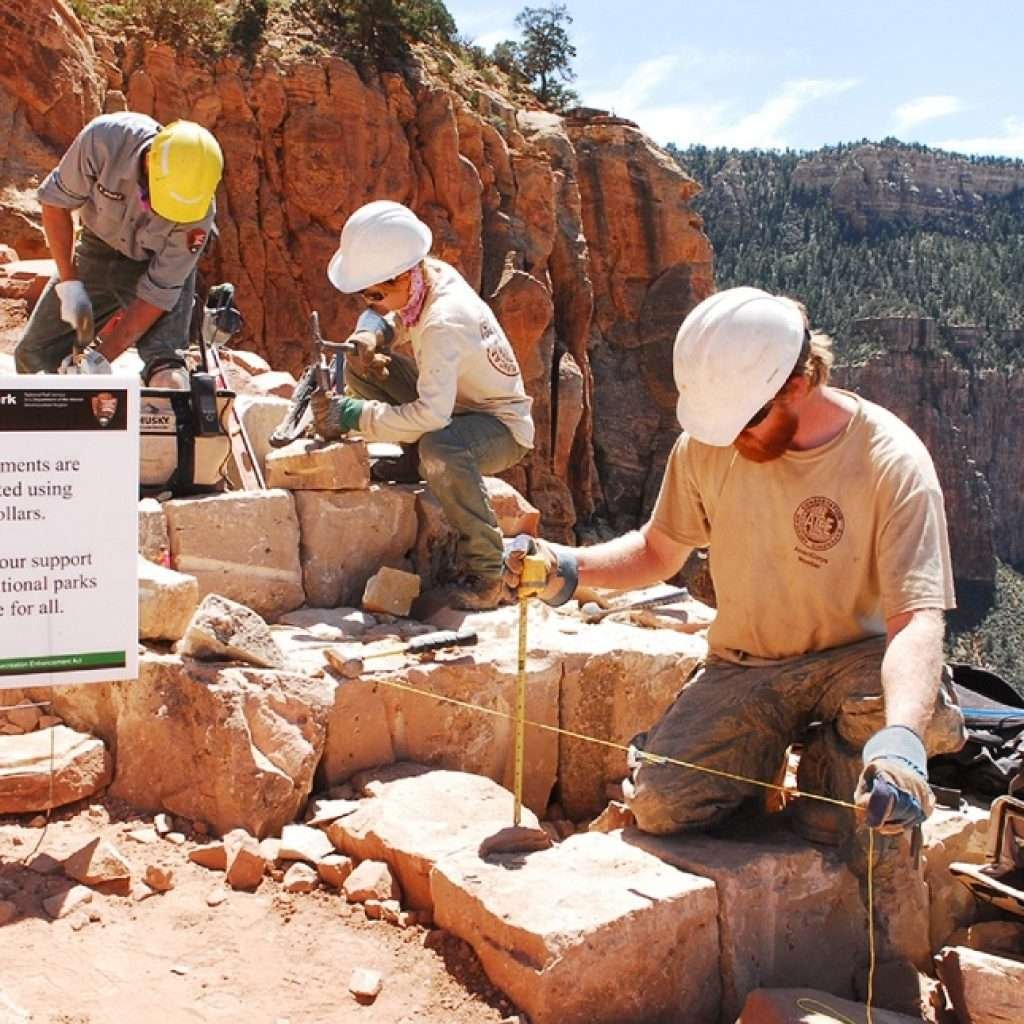
However, there are many rangers who do the jobs you only notice when they are not done. The maintenance rangers, the housekeepers, the resource management staff such as biologist and archaeologists, financial staff, law enforcement, interns and so many more. Each role makes up a part of the whole. This whole creates the experience that you enjoy and remember.
What Happens Without Staff?
Without these parts, you start to see cracks showing up in the system. Not because the staff don’t want to do a good job but because they can’t keep up. What might you see?
- Increased trash along the trails and in common use areas (restrooms, picnic shelters, etc.)
- Visitor Centers and shuttles having limited hours or not even operating
- Longer lines and wait times to get into areas
- Damage to natural and cultural resources
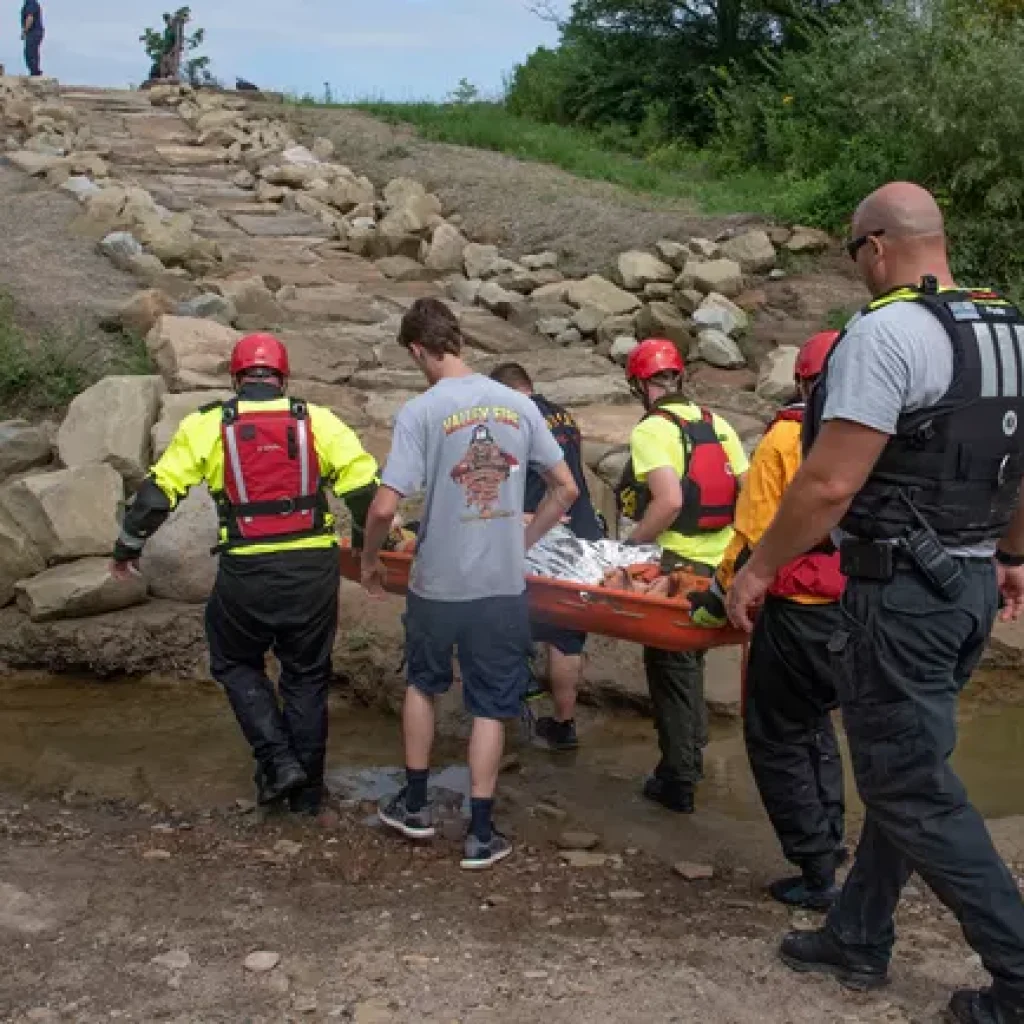
- Longer emergency response times
- Delayed maintenance resulting in dirty or broken facilities
- Less ranger led programs
- Trail closures and limited access to areas during the high season
What you might not notice but is definitely taking place is staff increasing their work loads to try to keep up with everything while also experiencing increasing frustration and low morale.
How You Can Help?
I bet you expected me to star with asking for a donation, huh? While that would be nice you can help even more by being an engaged and respectful visitor while at parks.
- Respect closures-they are usually for safety reasons or to lessen pressure on a resource
- Visit less trafficked parks or visit during non-prime time periods
- Check the conditions before you go by visiting the park’s official website
- Be self sufficient–pack out your trash, know where you are going and what to do once you are there, print out maps ahead of time
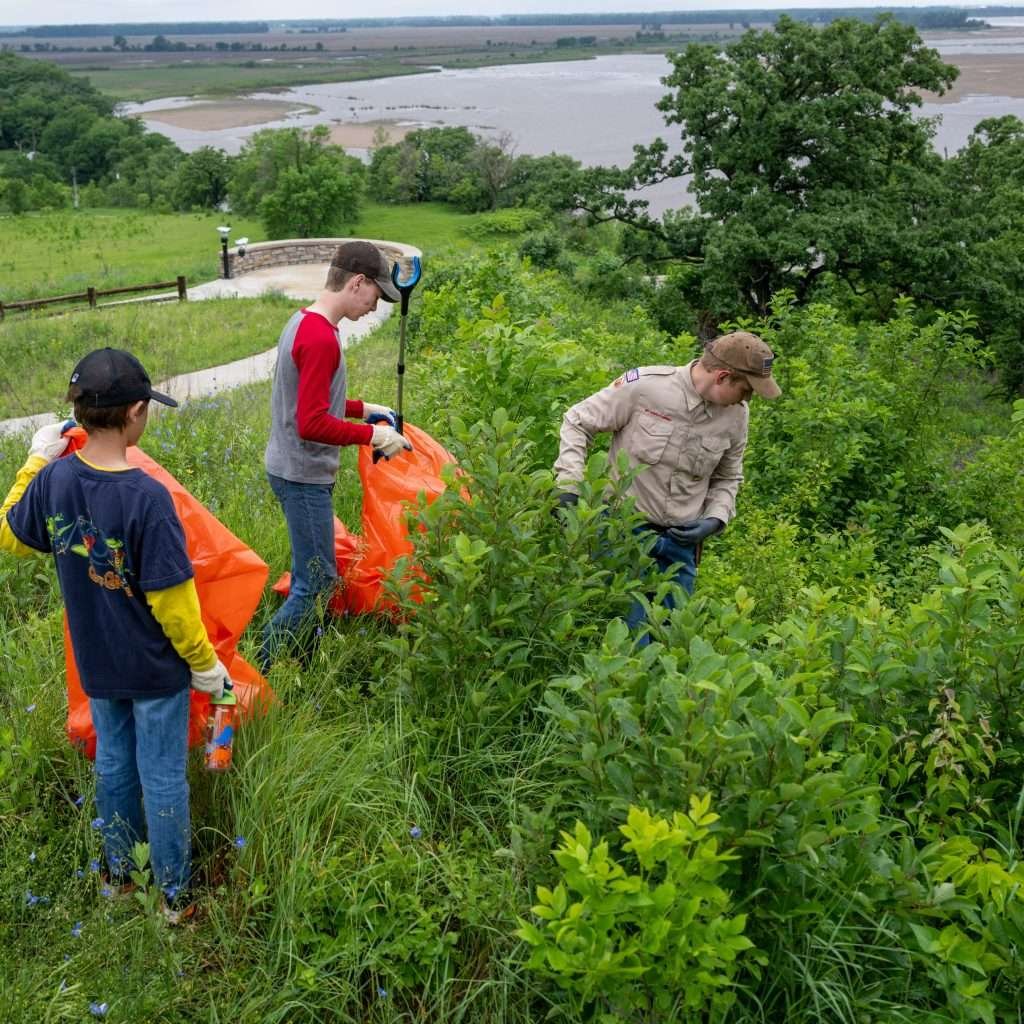
- Pick up litter and trash when you see it
- Follow posted signs
- Remember that the rangers are doing the best they can-be kind and smile. You have no idea how far that goes, believe me!
- Volunteer to help with a clean up day or to help with park maintenance
- Contact your local, state, and national legislators and let them know that you support funding for parks and that you want them to do so as well
- Finally, if you can, make a donation to your favorite park’s friends group or to the National Park Foundation or something similar.
National Parks Forever?
We all love our parks. These iconic places are part of America’s history and identity. They are where family memories are created and new traditions are made. They provide a place for us to reconnect with nature and disconnect from the everyday crazy.
Show them your support by being a respectful visitor, lobbying for the resources that they need, and if you can support them with your time and funding. There’s a saying in the park services across the nation, “rangers get it done”.
However, today, NPS rangers could use some help.
- About the Author
- Latest Posts

I have worked in the environmental education field for over 20 years, including work at zoos, aquariums, nature centers, and now state parks. My goal over the years has been to help people connect with nature and the animals that live there. I love taking people who find nature scary or intimidating and showing them how fun it can be. I have worked with wolves, cougars, monkeys, snakes, alligators, and sharks. My mom keeps asking me why I work with predators so much. She wishes I’d work with bunnies instead!
I love reading, scuba diving, kayaking, and anything else that involves water. I am not much of a hiker, but I love sitting in the forest and listening to the wind. I will travel anywhere you want me to go, and I genuinely believe seeing how others live, and love is the best way to understand others. One of my favorite memories is when I was accepted into a wolf pack that I worked with as a teenager. Two juvenile males sandwiched me between them and gave me a hug-—nothing like being the middle of a wolf sandwich!