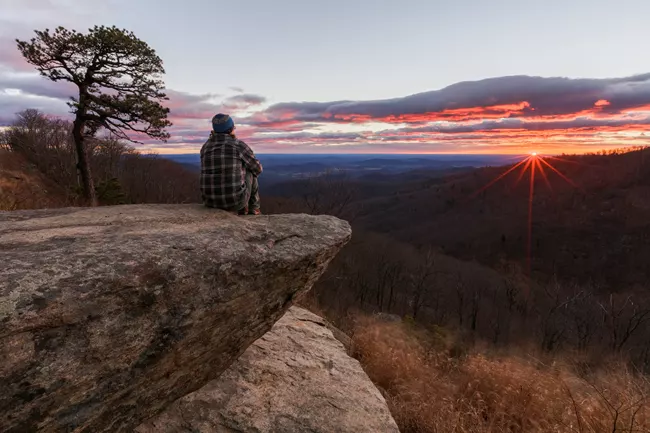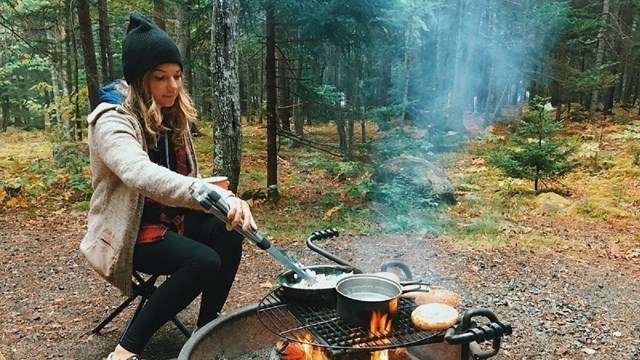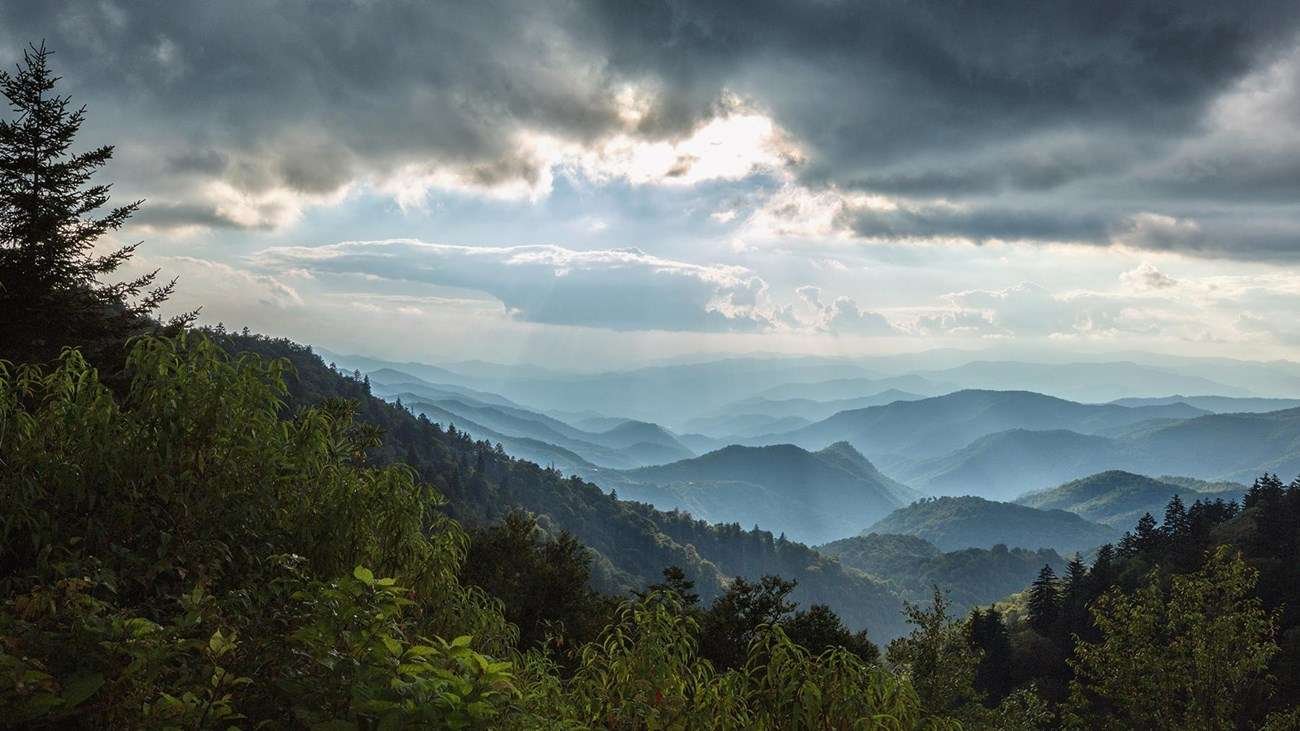

Fall is the perfect time to hit the trails — crisp air, colorful leaves, and plenty of outdoor activities. But with more people out enjoying nature, it’s also important to practice both hiking safety and stranger awareness. Whether you’re heading out for a short nature walk or a full afternoon hike, these practical tips will help you and your family stay safe while enjoying everything Fall has to offer.
Hiking Basics 101
We have covered some of the safety topics in regards to hiking before but I’ll start with a quick reminder.
- Always let someone know your hiking route and when you expect to return. If you are hiking at a park, check in with the ranger and/or fill out the trail hike cards. This way if you don’t return at the expected time someone knows to look for you.
- Stick to the trail-don’t go onto solitary trails or go bushwhacking.
- Even if it is a short trail, make sure you have the essentials. Water, snacks, flashlight, map, small first aid kit, an emergency blanket. It is getting darker earlier and the temperatures can cool off quickly. Wear layers!
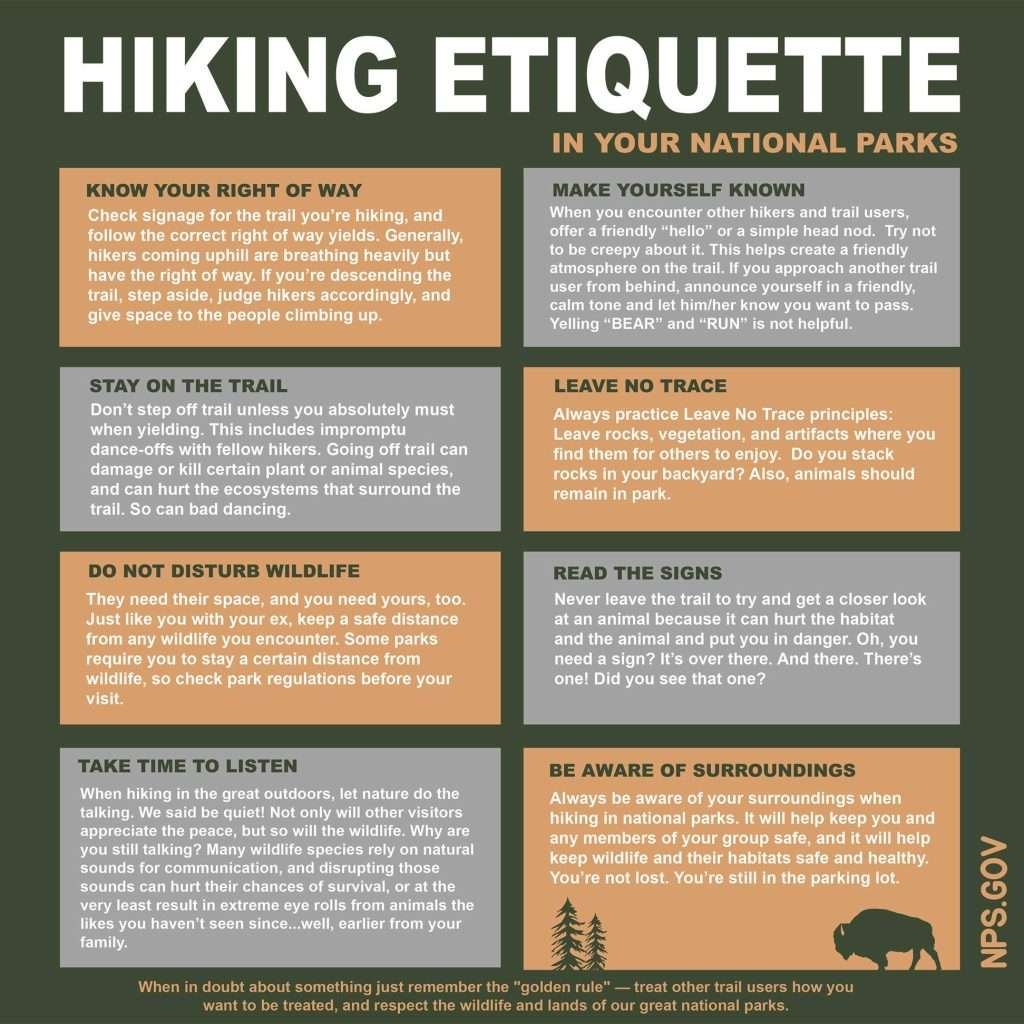
Hiking Etiquette
Here are some tips on etiquette for while you are out on the trail.
Fall Hiking Offers Different Challenges Than Summer
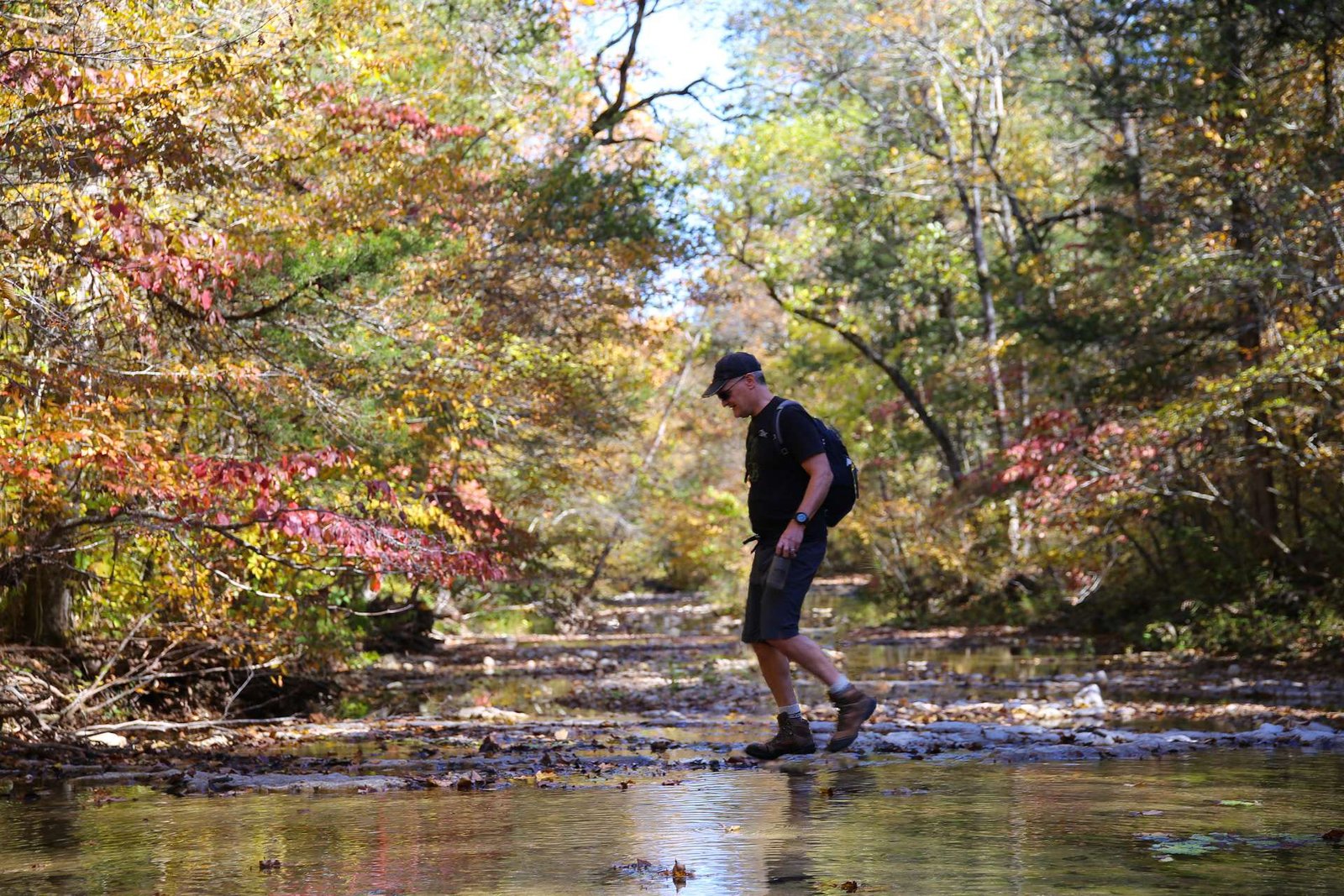
While Fall is a gorgeous time for hiking, it does come with different conditions than summer. Trails can be camouflaged and slippery due to leaves, daylight is shortening, and you need to be more aware of wildlife and also hunters.
- Leaves often hide rocks, roots and holes. They also make the trail slippery when it has rained or when there is dew on the ground. These conditions can make the trails more treacherous and also make downhill sections harder. Trekking poles can help by giving you an extra points of contact with the ground increasing your stability. Also, the poles can probe the ground in front of you to help identify obstacles.
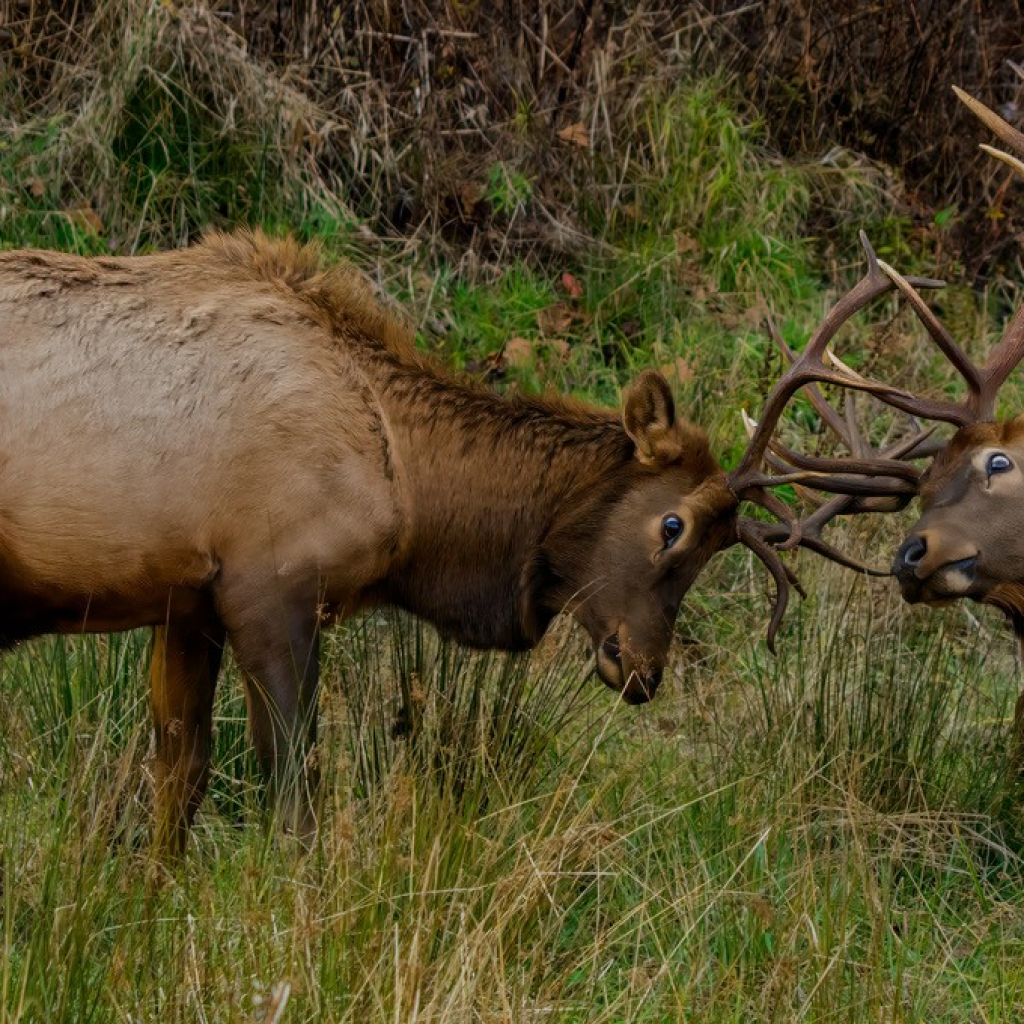
- Fall is a busy time for wildlife as they get ready for winter. You might see more evidence of them around or you might even encounter an animal. Make sure to give them plenty of space and don’t try for a selfie. Some animals are in their mating season which can make them more aggressive. Again, give them space and you’ll be fine.
- I know I mentioned layers up above but I’m going to say it again. We are in the time of year where it is chilly in the morning, warm by midday and cool again at night. Pack layers so you can adjust as the day goes on. Wear moisture wicking materials (not cotton) and bring gloves and/or a hat.
- With shorter daylight hours it is important to keep the length of your hike in mind. You will need to plan shorter trails and also make sure that you pack multiple light sources. I like to bring a headlamp as well as a flashlight. The light on your phone may not be bright enough to be of any use.
- Fall is also hunting season. If you are hiking in a game management area wear bright colors such as blaze orange or blaze pink. This will ensure that hunters can see you.
- If you are hiking in an area that gets snow, make sure to check your trail conditions with the site you are hiking. Their website will likely have the latest advisories but it doesn’t hurt to call as well. Also, make sure to check the weather for the day before heading out.
Awareness On The Trails
This next section is something you should always do-not just during Fall. I put it with the Fall hiking because of the shorter daylight hours and the chance that you might be out on the trails at dawn or dusk. However, you should ALWAYS pay attention to who you are sharing the trail with. You will encounter all kinds of people — most are friendly nature lovers, but you should know what to do if you ever feel uncomfortable. Stranger awareness outdoors is about preparedness, not fear.
- Use the Buddy System: No one hikes alone, even for short breaks.
- Stick Together: You should hike at a pace that keeps everyone in sight.
- Trust Your Instincts: If something feels off, it’s okay to change direction, head back, or seek out other hikers.
- Don’t Share Too Much: Remember not to give personal details, like where you live or that you’re hiking alone.
- Practice a Safe Response: Practice saying “No, thank you” firmly and walking away if approached in a way that feels uncomfortable.
- Practice Confidence: Stand tall with your shoulders back and head up, and make eye contact with other hikers to project a sense of awareness and strength
- Use situational awareness: Pay attention to your surroundings and periodically look both ahead and behind you to notice if someone is following or if there are potential hiding spots. This means don’t plug both ears up with headphones or earbuds. You need to hear what is around you. Keep your eyes and at least one ear open.
- Carry protective gear: A whistle, air horn, or personal pepper spray can be used to deter threats from both people and animals. Make sure you know how to use whichever item you choose.
- If you feel followed: Let the person pass, and then try to increase the distance between you
- Report It: Let the ranger know what happened so they can keep an eye out
Again, this section isn’t here to make you afraid. It is here so you have an idea of what to do IF something goes wrong. We want you to feel confident enjoying the outdoors. Group activities are a great way to get started as are our programs but if you want to do adventures on your own it is important to have the tools you need.
What Do You Teach Your Kids On This Topic?
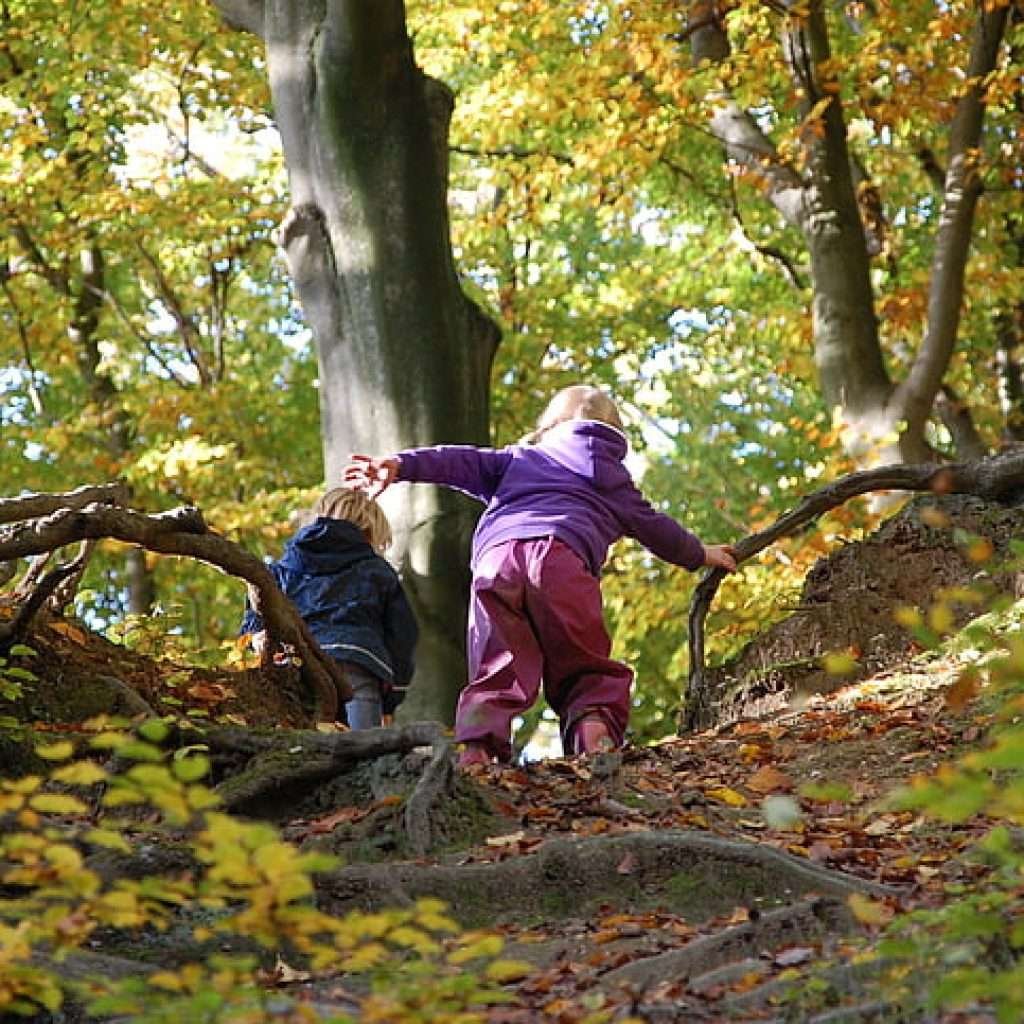
If you are hiking with kids or doing other outdoor adventures with them it is critical to teach them what to do as well. Here are three suggestions on how to help them become more confident if there is ever an issue.
- Code Word System: Create a simple family password for emergencies.
- Whistles for Kids: Three short blasts = “help needed.” Make sure they know this is for emergencies and not to use it for fun.
- Role Play Before Hiking: Practice what to do if approached by someone they don’t know.
Final Thoughts
Fall is a season of change — animals prepare for winter, leaves turn brilliant colors, temperatures drop, and daylight fades more quickly. It’s a wonderful time to be outdoors, but it also brings challenges you don’t face in summer, like hidden terrain and shifting conditions. Planning a fall hike means thinking about these factors a little differently. With cooler weather drawing more people to the trails, it’s also a good time to revisit an often-overlooked skill: stranger awareness. Staying mindful of who you encounter becomes especially important as the days grow shorter.
- About the Author
- Latest Posts

I have worked in the environmental education field for over 20 years, including work at zoos, aquariums, nature centers, and now state parks. My goal over the years has been to help people connect with nature and the animals that live there. I love taking people who find nature scary or intimidating and showing them how fun it can be. I have worked with wolves, cougars, monkeys, snakes, alligators, and sharks. My mom keeps asking me why I work with predators so much. She wishes I’d work with bunnies instead!
I love reading, scuba diving, kayaking, and anything else that involves water. I am not much of a hiker, but I love sitting in the forest and listening to the wind. I will travel anywhere you want me to go, and I genuinely believe seeing how others live, and love is the best way to understand others. One of my favorite memories is when I was accepted into a wolf pack that I worked with as a teenager. Two juvenile males sandwiched me between them and gave me a hug-—nothing like being the middle of a wolf sandwich!