Leave Only Footprints
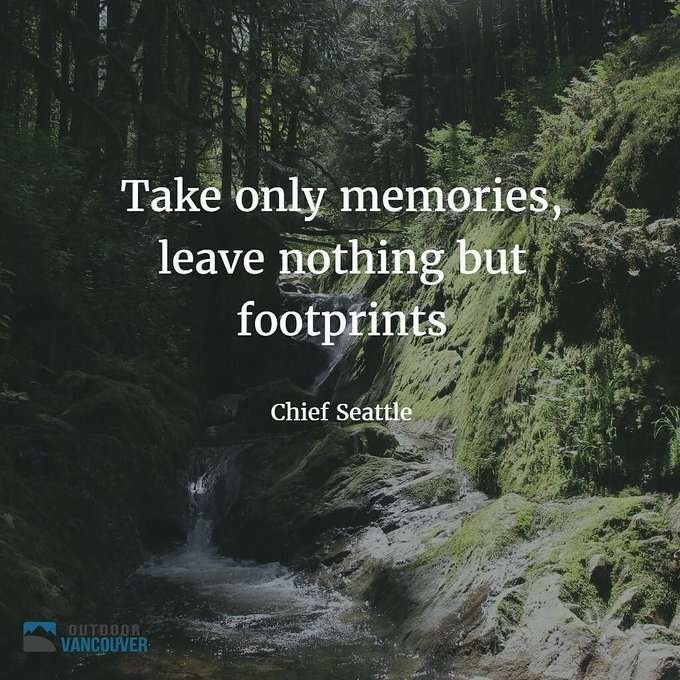
Have you ever heard the saying: “Take Only Memories, Leave Only Footprints”? Do you know about the concept Leave No Trace (LNT)?
The first is a common saying in the outdoor recreational world and the other is a practice everyone should follow when outdoors.
But how do you do this when it seems like being outside requires so much stuff? Water bottles, food with packaging, gear, wipes, etc. Not only is there a lot of waste with this but it can also get expensive. So, how do you Leave only footprints while staying on budget? The answer is simpler than you may think-use reusable items!
This blog will cover some practical tips for hikers who want to reduce their impact outdoors. I won’t be highlighting a bunch of “eco-friendly” stuff and it is not about guilt or about being completely zero waste. Instead, it is about helping you take small steps to lessen your impact while staying in budget.
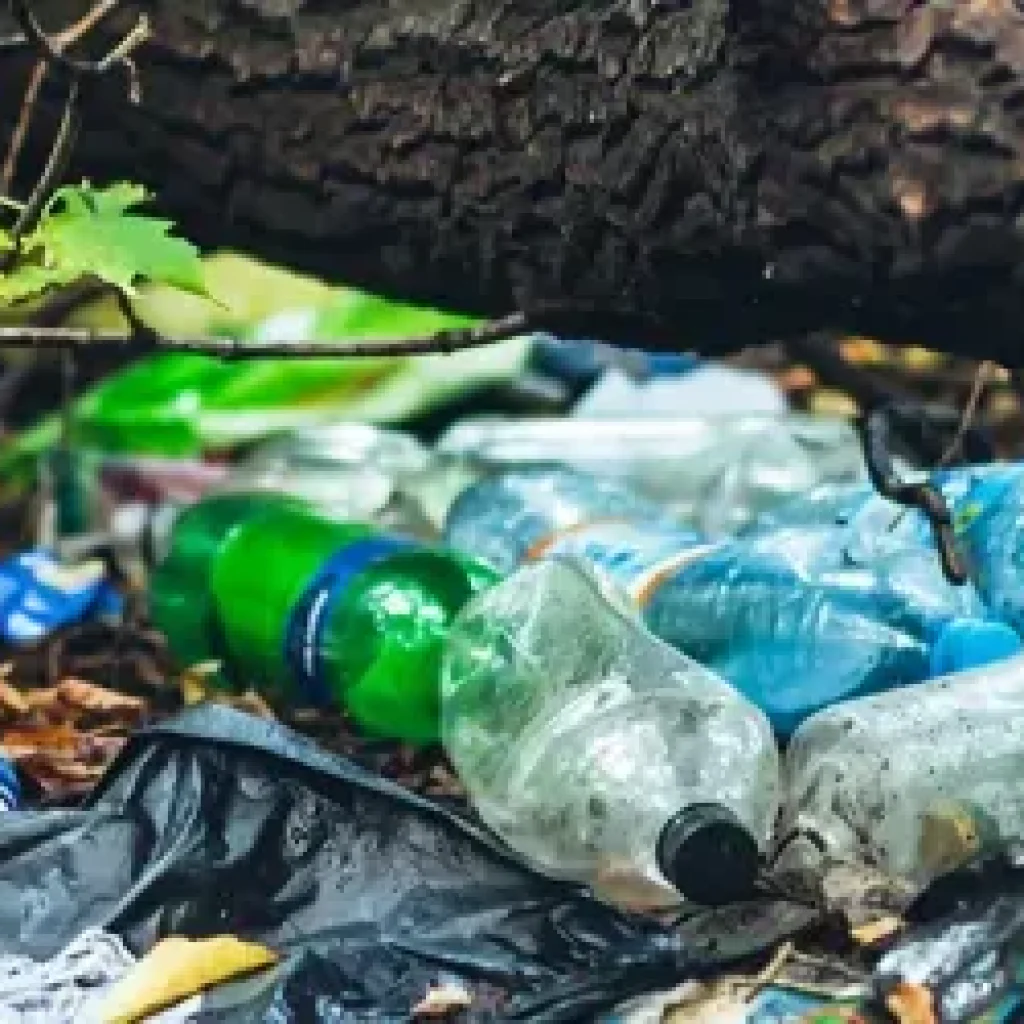
Imagine this-you are headed out to your favorite trail and when you get there you notice trash along the trail. Plastic water bottles, granola bar wrappers, cigarettes, hand wipes, hand sanitizer bottles, plastic bags, and so much more. Now, it may not be in a big pile but instead it may be strewn along the trail with a piece here and piece there. This is definitely not what you came out here to see, is it?
What’s the Problem with Litter on Trails?
As more and more people enjoy the outdoors trash and litter are becoming a real problem. Many people don’t know the Pack it In, Pack It Out philosophy from Leave No Trace and they expect to have trash cans at the ready. That’s not always true on trails and so they throw the trash away as they walk. Why is this an issue? Well, we discussed one issue–it destroys the very resource we came out to enjoy. What are the other issues?
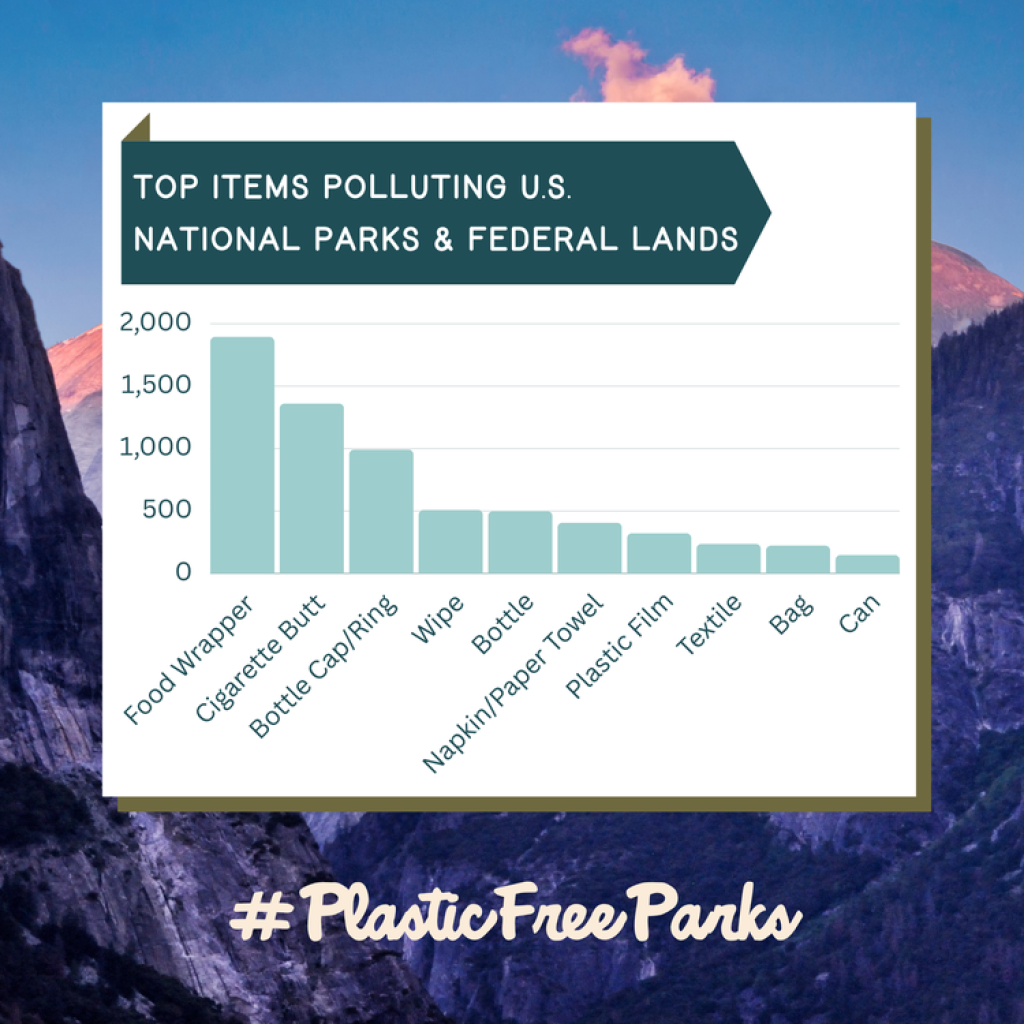
- Discarded food such as fruit peels attract wildlife closer to trail systems, which can lead to more human/wildlife encounters.
- Wildlife can get trapped in trash. I’ve seen wildlife with cups stuck over their heads. I’ve seen bags wrapped around an animals’ body. And I’ve seen dead animals with a stomachs full of plastic and Styrofoam.
- Trash can contaminate water sources impacting water sources and our ability to utilize streams and rivers.
This isn’t meant to be a guilt trip but we don’t always think of the consequences of our actions. It’s just a cigarette butt, right? One yes, but thousands?
So, Why is There So Much Trash?
As I mentioned, many people don’t really understand the philosophy of Pack it in, Pack it Out. Most people expect to have trash cans readily available, especially if it is just a day hike. Even more confusing is that some parks do have trash cans available while others don’t. If you haven’t been to a park before, check their website to see if they are a Pack it in, Pack it out park. If they are, you know ahead of time and you can plan for it.
The other reason for more trash is more people. One side effect that COVID had was an increased interest in spending time outside. Between 2019 and 2021, 164.2 million Americans participated in an outdoor activity, a 6.9% increase from the numbers pre-2019 (source: US Census). More people means more trash.
Another reason is that parks are consistently understaffed. While rangers do the best they can to take care of their parks they might focus more on common areas such as parking lots, restrooms, picnic shelters, etc. while doing their maintenance. They may not have the staff to hike the trails daily to pick up litter. This can allow trash to accumulate especially along popular trails.
Remember, this isn’t about guilt. No one intends to have a negative impact on the resource they went out to enjoy. It’s just one wrapper or one cigarette butt or one orange peel. But one on top of one on top of one adds up. So, how can you help?
Aim To Be As Zero Waste As You Can
First, you don’t have to be zero waste right out of the gate. You also don’t have to be perfect. Instead, be intentional. Think about what you need, what you are going to take with you, and how you can apply things you already know to achieve your goal. Remember learning about recycling? Do you remember the other Rs? Reduce and Reuse are key concepts for this project.
First, check your destination park. Is it a pack in, pack out park? Once you know this you can plan effectively. Then consider what you already have that you can reuse. Once you get your list take a look at it. Do you really need everything you have or is there something you can reduce?
Pro-tip: Do NOT reduce so much that you don’t have what you need! Always take water and food, safety gear, pack, correct clothing, etc.
Steps Towards Becoming Zero Waste
- Instead of using single use plastic (like water) use a reusable water bottle, reusable silverware, and reusable food containers. When you are done pack them up and take ’em home. You will get a lot of wear and tear out this kind of gear which saves you money over time.
- Bring a small, empty container with you that you can put food scraps in. This will allow you to carry your food waste out with you and you can get rid of it once you get home. This keeps food scraps away from the trail and wildlife.
- Make your own snacks and pack them in one of your reusable containers. This cuts down on wrappers. Here is a recipe you can use but you can find several others online. https://cookieandkate.com/healthy-granola-recipe/
- Use a bandana instead of disposable hand wipes. Soak the bandana in water and you can wash your hands and face.
Packing List to Get You Started
- Snacks in reusable container, sandwiches in beeswax wrappers
- Refillable water bottle or hydration pack
- Cloth napkin or bandana instead of wet wipes
- Zip pouch or dry bag for used tissues, food scraps, packaging you couldn’t avoid
- Biodegradable TP or a trowel if on a longer trips
- Sunscreen and insect repellant without its packaging
- If using electrolytes store in a reusable container such as a silcone pouch
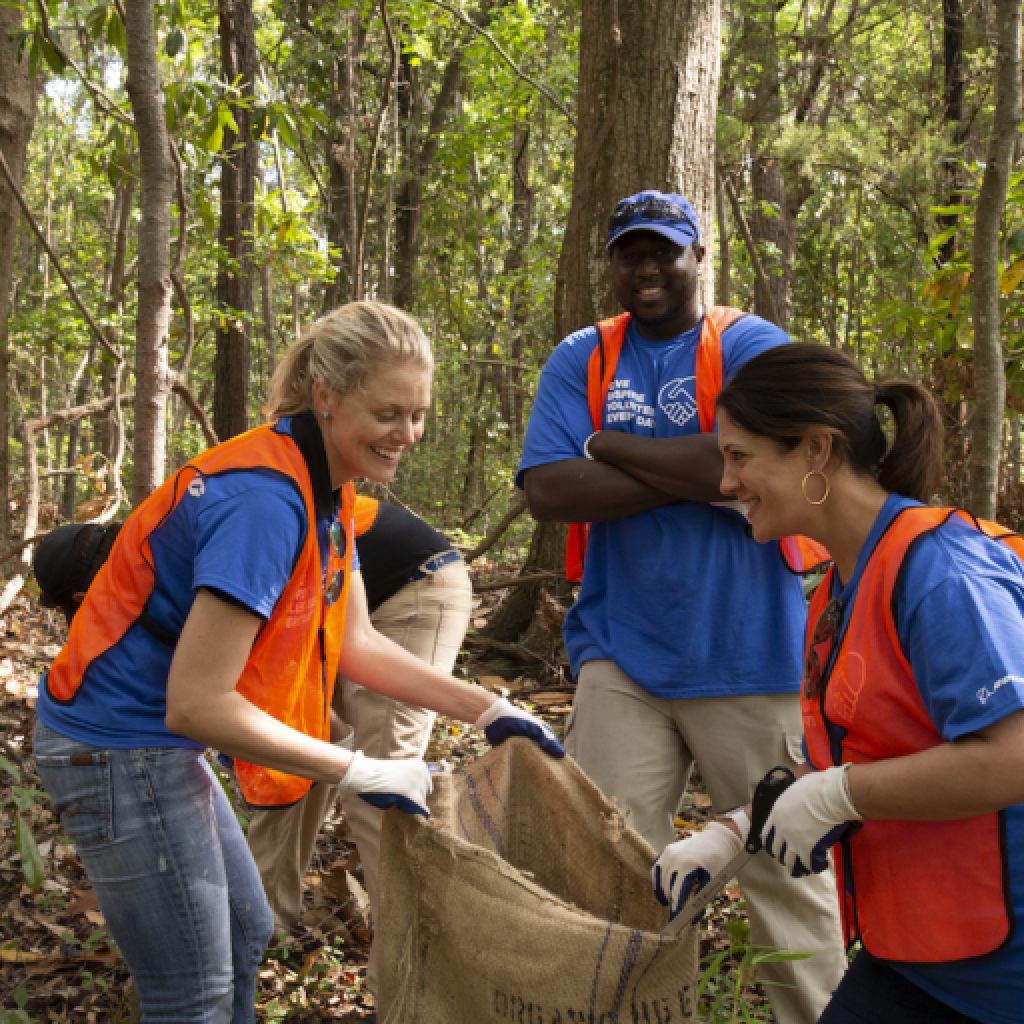
- A trash bag-leave the trail better than you found it. Pick up any litter or trash you see as you hike.
- Safety gear
- Regular hiking gear
- Map and compass
Final Thoughts
These steps toward being zero waste don’t require a lot of money just a bit of planning. You can use what you already have to help preserve the outdoor areas that we love. Utilizing Leave No Trace Principals will add a component of stewardship to your trips. The trails will thank you for it.
- About the Author
- Latest Posts

I have worked in the environmental education field for over 20 years, including work at zoos, aquariums, nature centers, and now state parks. My goal over the years has been to help people connect with nature and the animals that live there. I love taking people who find nature scary or intimidating and showing them how fun it can be. I have worked with wolves, cougars, monkeys, snakes, alligators, and sharks. My mom keeps asking me why I work with predators so much. She wishes I’d work with bunnies instead!
I love reading, scuba diving, kayaking, and anything else that involves water. I am not much of a hiker, but I love sitting in the forest and listening to the wind. I will travel anywhere you want me to go, and I genuinely believe seeing how others live, and love is the best way to understand others. One of my favorite memories is when I was accepted into a wolf pack that I worked with as a teenager. Two juvenile males sandwiched me between them and gave me a hug-—nothing like being the middle of a wolf sandwich!