
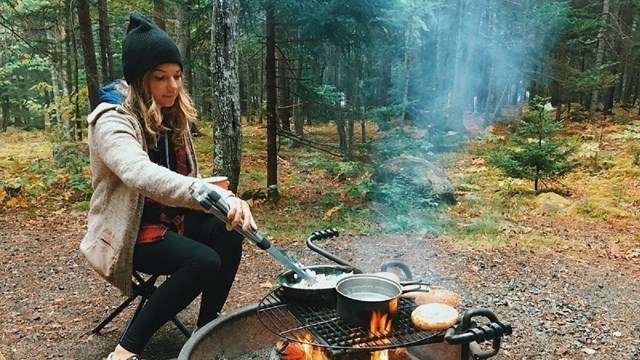
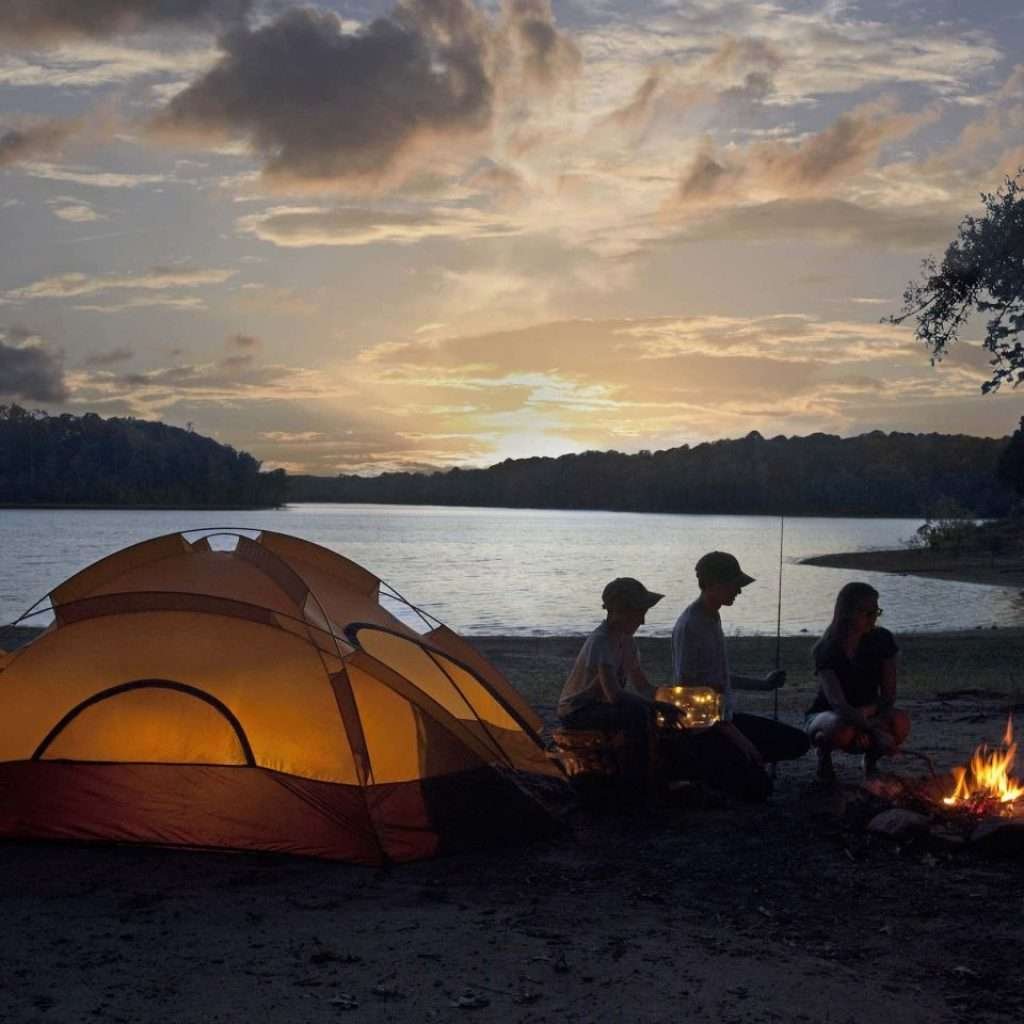
There’s something magical about a crackling campfire on a cool October evening. The warmth, the smell of smoke, and the glow of the flames make even a simple snack feel like a feast. Campfire cooking doesn’t have to be complicated — with a few easy recipes, basic gear, and simple safety tips, you can enjoy tasty outdoor meals without stress. Here’s how to make your fall camping trips (or backyard fire nights) both safe and delicious.
Essential Gear for Campfire Cooking
Fire safety always has to be at the top of your mind when campfire cooking. Make sure that you have built your fire in a firepit and that you have water or sand nearby in case of an emergency. Ensure that you are observing fire bans that the campground or area might have in place! Make sure your camping gear is set far enough away from the fire and that the kids know not to mess around in that area. Go over the fire safety rules with them and ensure you have a fire tender for the night who will keep the fire going and also be in charge of putting it out. Now that that is said, let’s talk about some gear that will make your cooking easier.
Here are some basic cooking tools that I have found helpful:
- Long-handled spatula or tongs
- Heavy-duty foil
- Cast-iron skillet or Dutch oven
- Skewers for marshmallows, hot dogs, or vegetables
- Oven mitts, heat-resistant gloves, campfire tripod
- Knife and cutting board
- Biodegradable soap and sponge/towels
- Trash bags
Safety Tips While Cooking
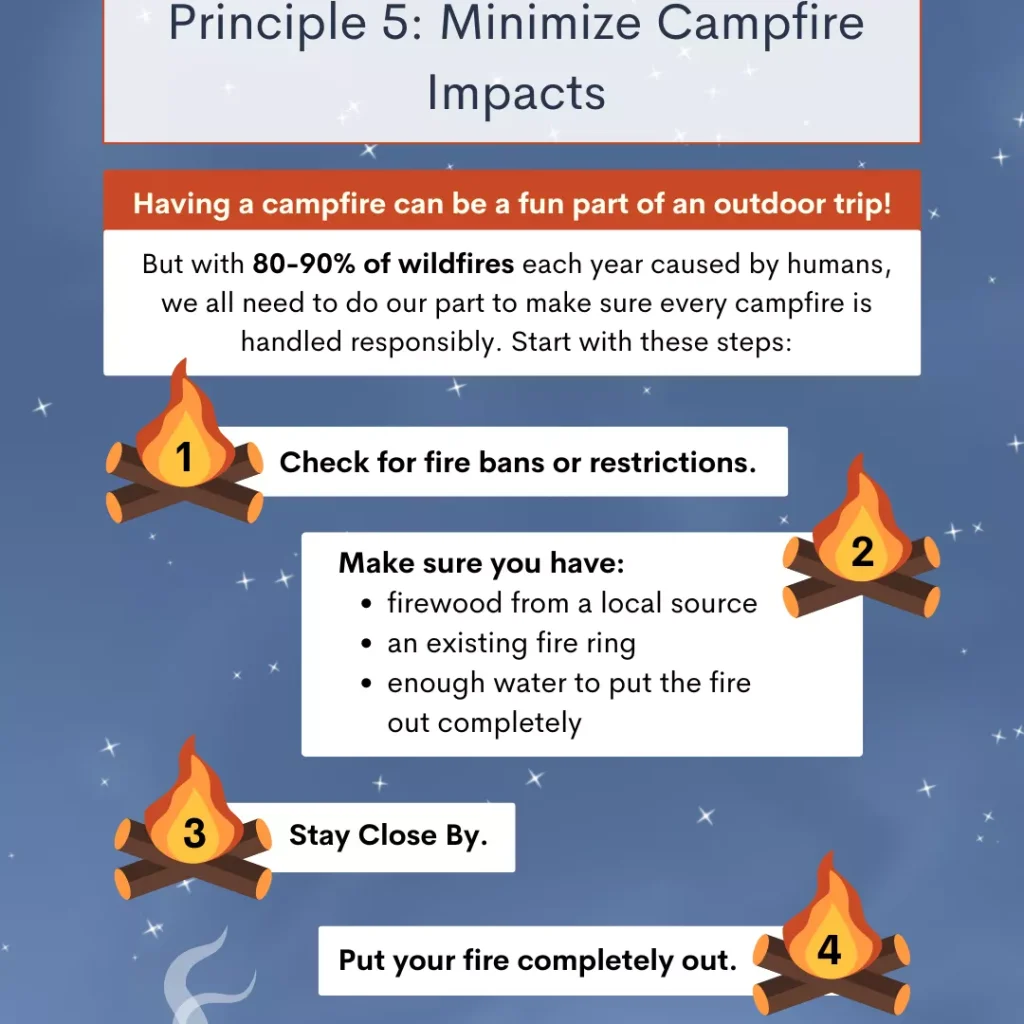
Cooking can be a lot of fun but you are dealing with fire. Make sure to follow a few safety tips to keep everyone safe. The first is that if the kids are helping (and they should) make sure they know not to rough house by the fire. Use the tongs and skewers to prevent burns. I have seen it again and again when someone is in a rush, can’t find the tongs, and so they just reach in and grab a corner or try to make shift a tool to get something out of the fire. Inevitably, I end up needing the first aid kit. Watch your clothing near the fire–synthetic fibers will burn and melt.
Simple Meals and Snacks To Try
So, I’m not a cook. In fact, I rather hate cooking, however, campfire cooking can be and should be a lot of fun. It doesn’t have to just be hotdogs and hamburgers. I have camped with people who have made cobbler, steak, french toast, grilled cheese and omelets. You also don’t have to live off of protein bars or granola, which is what I did when I started camping. There are a lot of easy and fun meals out there. We’ll touch on a few but spend some time before your next camping trip to see what is available out there.
Breakfast Ideas
- Foil Packet Eggs with Veggies
- Crack eggs into a piece of heavy-duty foil, add chopped bell peppers, onions, or spinach, fold into a packet, and cook over medium coals for 10–15 minutes.
- Tip: Add a sprinkle of cheese at the end for extra flavor.
- Oatmeal with Dried Fruit and Nuts
- Pre-measure oats, nuts, and dried fruit into single-serve packets.
- Add water or milk over the coals in a small pot or tin cup.
- Optional: cinnamon or pumpkin spice for that autumn vibe.
- Campfire French Toast
- Ingredients: Sliced bread, eggs, milk, cinnamon, a pinch of sugar, butter or cooking spray.
- Method:
- In a resealable bag or small container, whisk together eggs, milk, cinnamon, and sugar.
- Dip bread slices into the mixture until coated.
- Cook on a greased cast-iron skillet over the campfire or on a foil tray near coals for 2–3 minutes per side, until golden brown.
- Tip: Use sturdy bread (like Texas toast) so it holds up over the heat. Serve with maple syrup, honey, or fresh fruit for a fun, fall-inspired touch.
Lunch Ideas
- Grilled Cheese Sandwiches
- Butter the bread outside, place cheese inside, wrap in foil, and heat over coals or on a skillet.
- Tip: Add apple slices or tomato for a seasonal twist.
- Foil Packet Potatoes
- Dice potatoes with olive oil, salt, pepper, and rosemary.
- Cook in foil packets over the fire for 20–25 minutes.
- Kids love shaking the packet to mix flavors before serving.
- Quesadillas
- Place tortillas with shredded cheese and pre-cooked veggies over a skillet or on foil.
- Fold and heat until cheese melts.
Dinner Ideas
- Foil Packet Chicken or Fish with Root Vegetables
- Combine a small chicken breast or fish fillet with chopped carrots, sweet potatoes, or parsnips.
- Season lightly with olive oil, salt, pepper, and herbs.
- Cook 15–25 minutes depending on thickness; check doneness carefully.
- Sausages and Veggie Skewers
- Alternate pieces of sausage, bell pepper, zucchini, and cherry tomato on skewers.
- Rotate over the fire until fully cooked.
- Tip: Pre-soak wooden skewers in water to prevent burning.
- Foil Packet Pizza
- Use a small tortilla as the base, add pizza sauce, cheese, and toppings.
- Fold edges of foil to make a packet and heat until cheese melts.
Dessert Ideas
- Classic S’mores
- Graham crackers, marshmallows, and chocolate — toast marshmallow over fire and assemble.
- Tip: Use peanut butter or caramel for a seasonal twist. Or use peppermint patties for the chocolate–it tastes amazing!
- Banana Boats
- Slice banana lengthwise (keep peel on), fill with chocolate chips, marshmallows, and cinnamon.
- Wrap in foil and place near coals for 5–10 minutes until melted.
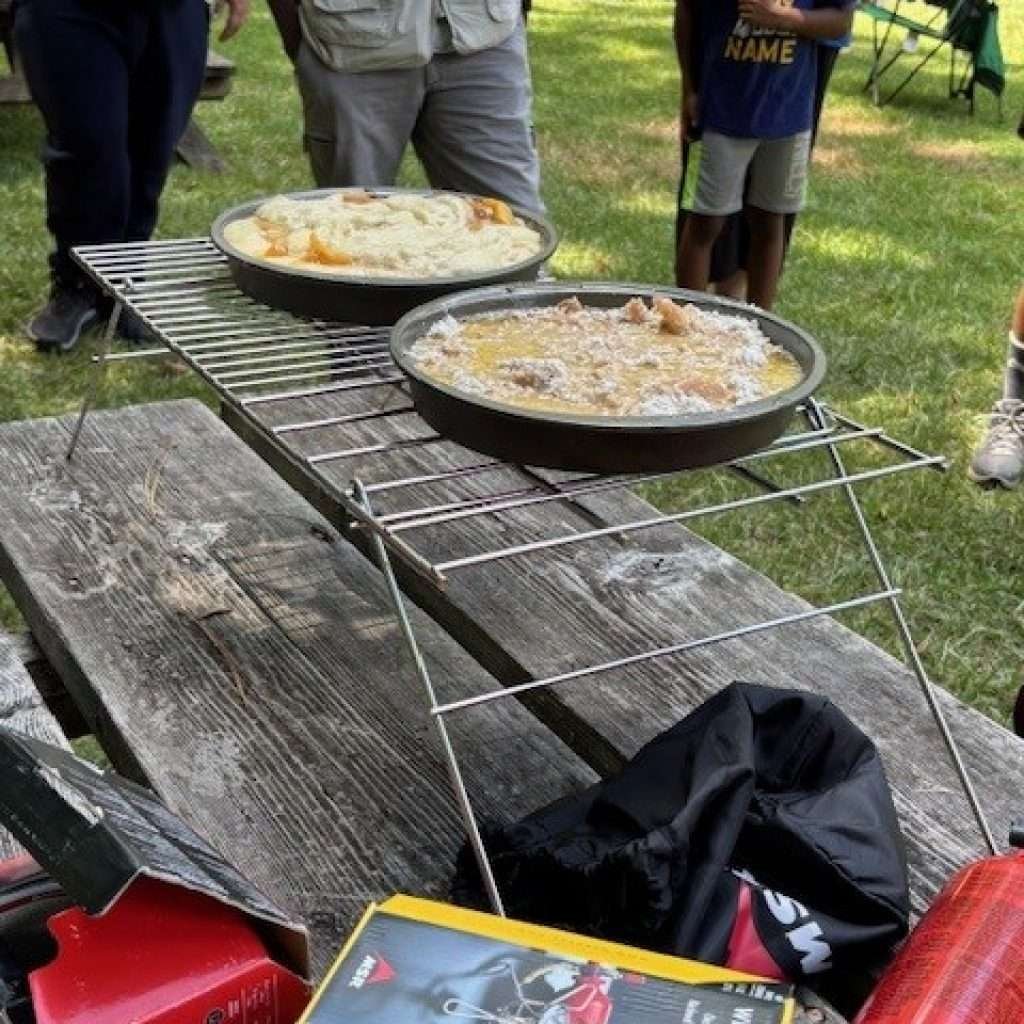
- Campfire Cobbler
- Ingredients:
- Fresh or frozen fruit (apples, berries, or peaches)
- Sugar and cinnamon
- Pre-made biscuit dough or pie crust pieces
- Butter (optional)
- Method:
- In a foil or cast-iron dish, layer the fruit and sprinkle with sugar and cinnamon.
- Place pieces of biscuit dough or small pie crust pieces on top.
- Dot with small pieces of butter if desired.
- Cover with foil and place near hot coals (or on a skillet lid over the fire).
- Cook 20–25 minutes, until fruit is bubbly and the dough is golden brown.
- Tip: Rotate or move slightly every 5–10 minutes for even cooking.
- Serving: Let cool a few minutes and serve warm. Optional: add a dollop of whipped cream or yogurt.
- Ingredients:
Pro Tips:
- Prep Ahead: Chop veggies and pre-measure ingredients at home to make cooking on the trail easier.
- Kid-Friendly: Let children assemble their own foil packets or skewers with supervision — it makes the meal interactive.
- Portioning: Small packets prevent overcooking and help manage coals.
Handling Dietary Restrictions Safely at the Campfire
I recently found out I have a lot of food restrictions for health reasons, which has really changed how I look at camping and food. It’s easy enough to do the prep at home but at a campfire, in the dark? That took some learning. Here are some tips.
1. Separate Prep & Cooking Areas
- Keep allergen-free ingredients in a designated container or cooler.
- Use separate cutting boards, bowls, and utensils for different dietary needs.
- If using foil packets, prep allergen-free packets first to avoid accidental contact.
2. Label Everything
- Clearly label foil packets or containers with ingredients and dietary notes (e.g., “Gluten-Free,” “Nut-Free,” “Vegan”).
- Consider color-coding (green for vegan, blue for gluten-free, etc.) to make it easy for everyone.
3. Use Separate Cooking Tools
- Have a dedicated spatula, tongs, or skillet for allergen-sensitive foods.
- If sharing a skillet or grill, cook allergen-free foods first or on one side, away from potential contaminants.
4. Educate & Supervise
- Remind kids and family members about what foods are safe for whom.
- Encourage everyone to wash hands before handling food, especially after touching potential allergens.
5. Safe Storage
- Keep allergy-sensitive foods covered and separate in coolers or containers.
- Prevent accidental exposure by avoiding putting allergen foods on top of sensitive items.
6. Choose Simple, Whole Foods When Possible
- Fruits, vegetables, potatoes, and most grains are naturally safe for many diets.
- Pre-packaged items (cheese, bread, tortillas) should be checked for allergens and certified labels.
7. Emergency Preparedness
- If anyone has severe allergies, bring an epinephrine auto-injector (EpiPen) if prescribed.
- Know the nearest medical facility or ranger station if hiking or camping.
Last word
Campfire cooking is about more than just the food — it’s about creating memories, sharing stories, and enjoying the outdoors with family and friends. With a little planning, simple tools, and safety in mind, anyone can make delicious meals over a fire, whether it’s breakfast, lunch, dinner, or dessert.
So this fall, grab your cast iron, pack some foil, and head outside. From sweet s’mores to hearty foil packet dinners, the magic of campfire cooking is waiting — warm, tasty, and perfectly paired with crisp autumn nights.”
- About the Author
- Latest Posts

I have worked in the environmental education field for over 20 years, including work at zoos, aquariums, nature centers, and now state parks. My goal over the years has been to help people connect with nature and the animals that live there. I love taking people who find nature scary or intimidating and showing them how fun it can be. I have worked with wolves, cougars, monkeys, snakes, alligators, and sharks. My mom keeps asking me why I work with predators so much. She wishes I’d work with bunnies instead!
I love reading, scuba diving, kayaking, and anything else that involves water. I am not much of a hiker, but I love sitting in the forest and listening to the wind. I will travel anywhere you want me to go, and I genuinely believe seeing how others live, and love is the best way to understand others. One of my favorite memories is when I was accepted into a wolf pack that I worked with as a teenager. Two juvenile males sandwiched me between them and gave me a hug-—nothing like being the middle of a wolf sandwich!