
Something happens every year in November — and I used to ignore it or take part in it. Everyone rockets forward into speed mode with fast decisions and busy social calendars. All of which leads to being overwhelmed. Out time outdoors gets cancelled, rescheduled or we turn it into an “escape hatch” or a quick dopamine fix before returning to the sprint.
But this year, I’m approaching things differently.
This year I’m adding in Slow Trails.
Not slow because we’re tired (even though some of us are). Not slow because we’re lazy. Slow because the world gets louder and faster in November — but the rhythm outside is moving at a very different pace. A slower pace that doesn’t demand achievement. A pace where the hike doesn’t need to be the hardest, steepest, or Instagram-worthy.
Slow trails are for noticing what we usually rush past.
Slow trails are for being present instead of producing a moment.
Slow trails are for honoring the season your body is actually in.
And this is what we’re going to learn about this month.
What Slow Trails Actually Look Like In Real Life
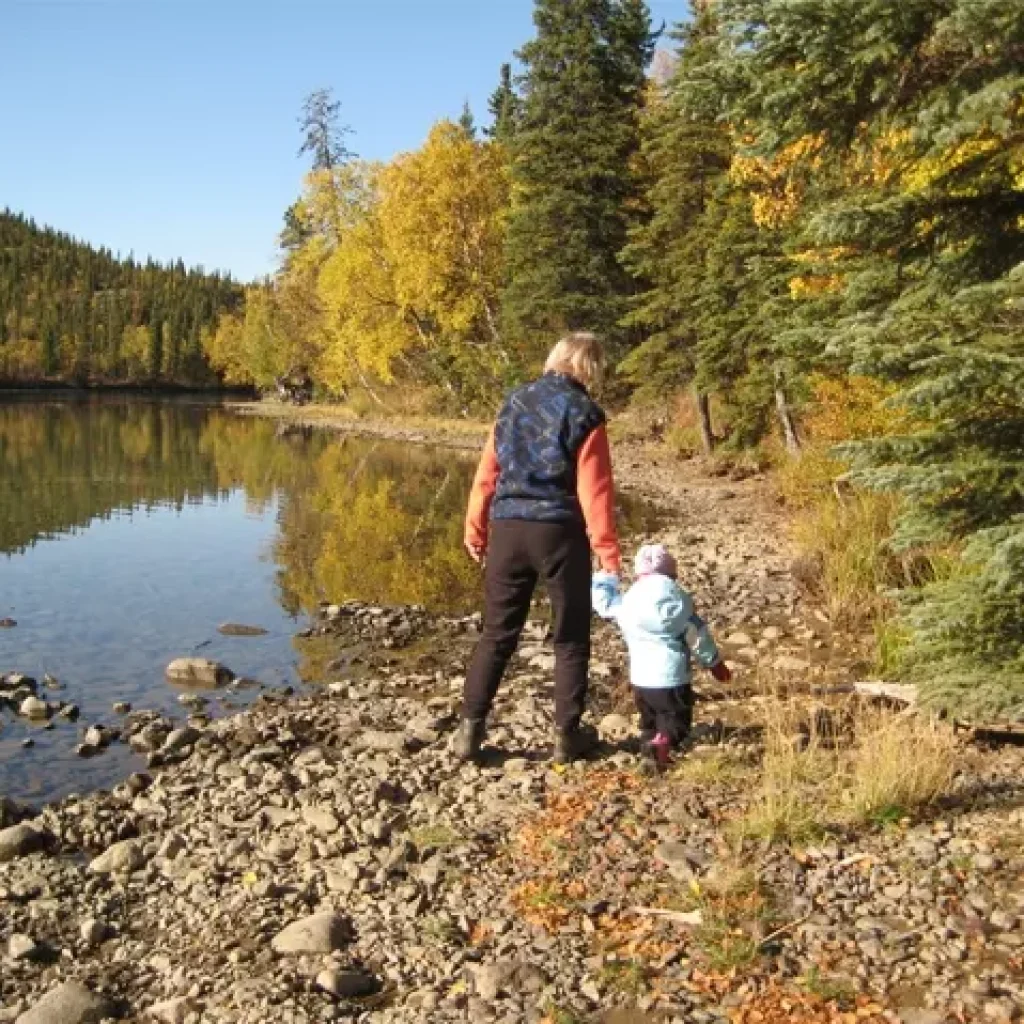
Slow trails are not defined by how many miles you cover or how fast you gained elevation. A slow trail is any trail where the primary goal is depth — not distance.
On slow trails, you stop when you see a mushrooms and take 3 minutes to look at their gill patterns. You pause to watch a single brown leaf falling — not to film it — but because you want to see how it falls. On a slow trail, you aren’t tracking how many calories you burned — you’re sensing how your breath shifts as the forest gets quieter with late season dormancy.
You bring less gear and you walk softer. Your nervous system gets to calm down. You give yourself permission to experience and observe.
MyOutdoorJoy is leaning into this philosophy — especially for November — with a after Thanksgiving hike. Take this chance to be outdoors and take a break from the holiday season’s frantic energy.
Why November Is The Perfect Month For Slow Trails
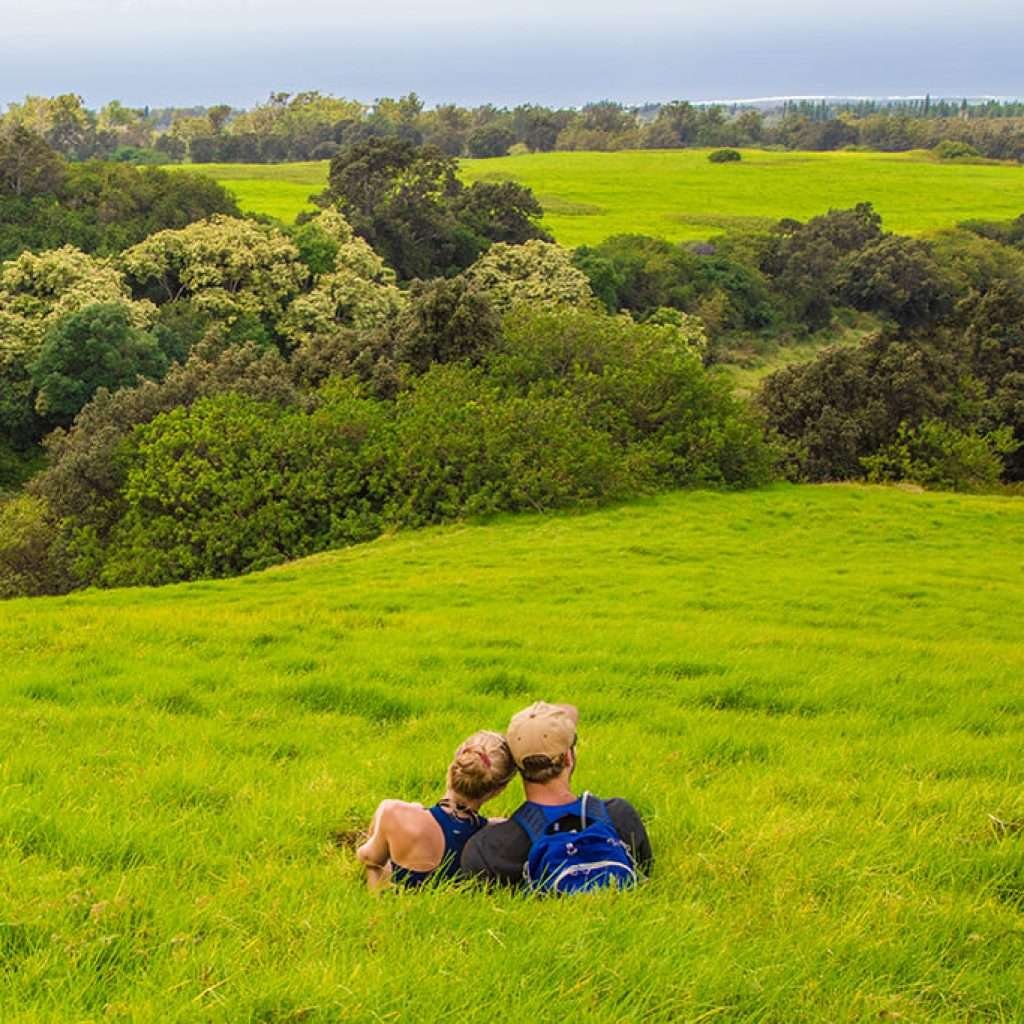
Nature already slows down in November. Leaves go dormant and forests become less visually noisy. Animals scale back movement and conserve energy. The air is sharper but not yet truly harsh for most regions in the U.S.
This is the perfect month to practice slowness without fighting the weather.
Slow trails allow you to step into the pace that the natural world is already shifting to — and let it reset you before December holidays pulls you into hyperdrive.
Even if you normally hike fast or long — November is an invitation to consciously choose less intensity. Less proving. Less measuring.
Just moving.
Slow Trails As A Reset Before Winter
Most of us don’t pay attention to the transition between seasons. We go from fall straight into winter brace-for-impact mode. But nature doesn’t do that. Nature transitions slowly.
November is a transitional month. And transitions, in ecology, aren’t static. They are gradual and slow but everything from animals to plants take the time to get ready for winter. A slow trail in November becomes a reset ritual — before winter settles in.
- It supports nervous system resilience.
- It supports emotional regulation.
- It supports clarity before planning winter goals, winter projects, winter daily rhythm.
Instead of using nature as a getaway… we use it as a seasonal companion.
The Pack Light Philosophy
Slow trails and pack-light go hand-in-hand.
When you aren’t pushing for distance or technical ambition, you can carry less — and carrying less changes the entire relational experience with the outdoors.
It feels more like partnership instead of conquest.
Packing light also makes going outside for a hike easier in shorter time windows — which is huge in November. With limited daylight small, consistent time outdoors allows for all the benefits of time outside in this transitional season. You don’t need 6 hours. 30 minutes allows your brain to shift and relax.
Pack-light doesn’t mean unprepared. It means packing intentionally.
– one layer for wind shift (lightweight)
– water
– snack you genuinely love
– fully charged phone for emergency only, not entertainment
– small field notes card (optional)
That’s it. Packing light removes the pressure to make the outing “worth it” by doing more.
Slow Trails = Identity Shift, Not Behavior Hack
Some people will read this and say, “so you mean mindfulness hiking?”
Yes… and no.
Mindfulness implies a practice. Slow trails imply a whole new way of thinking about how we move through outdoor spaces.
Slow trails mindset says: I’m allowed to take up nature time that doesn’t produce a metric — and it still counts.
Slow trails mindset says: The outdoors isn’t earned. It is part of baseline health.
Slow trails mindset says: As the world speeds up, I don’t need to match it to survive.
This is a radical identity shift — especially for highly productive, ambitious, multi-passionate adults who have been conditioned to optimize, achieve, and accelerate as default. Slow trails are a counter-narrative.
Slow Trails Actions You Can Take This Month
Here are three ways to practice slow trails in November:
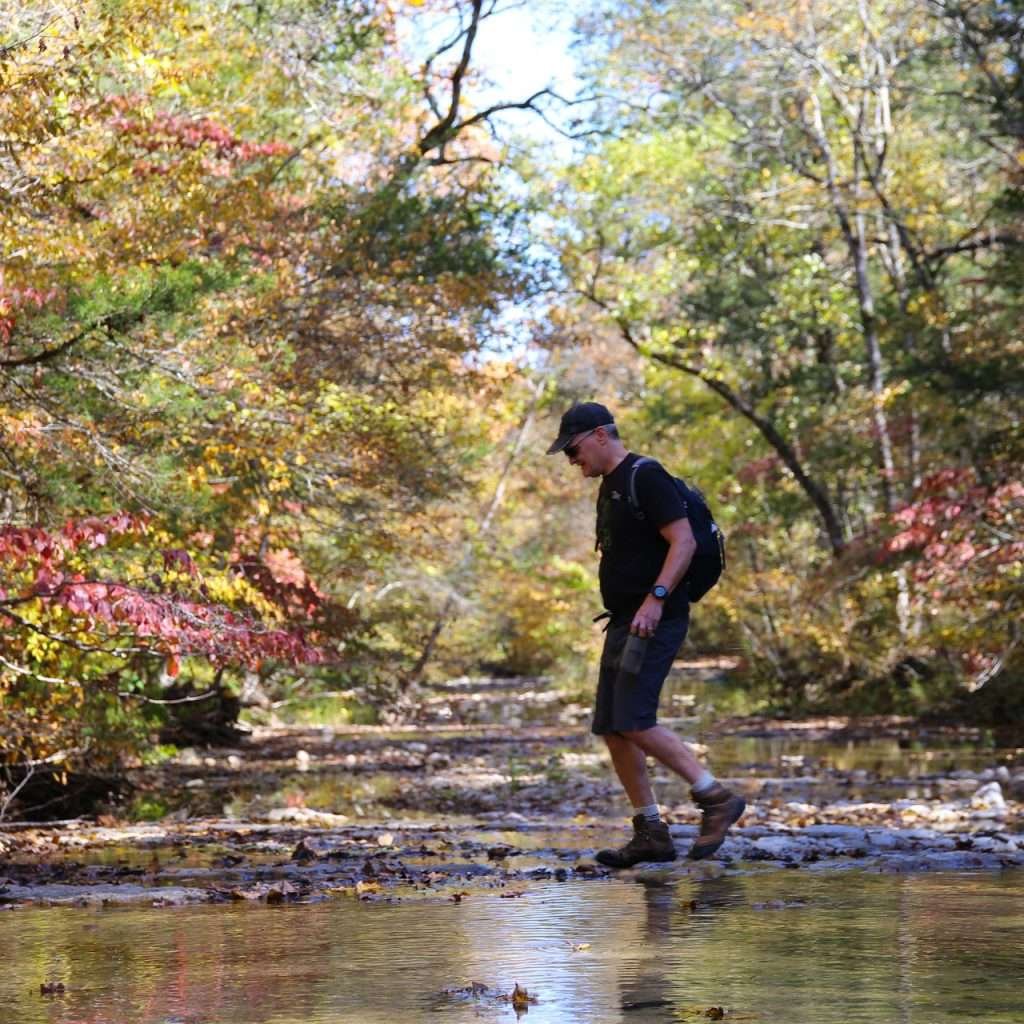
1. Choose trails under 2 miles–Not because you “can’t” do more — but because you are experimenting with noticing more inside smaller distances.
2. Leave earbuds out for the first half of your trail–Let yourself listen to seasonal sound. Try to hear 5 separate sounds around you. Create a sound map.
3. Pick one trail you’d normally overlook–The little local lake loop. The short boardwalk wetland. The wooded campground path. Slow trails find depth in the small places — not only the dramatic ones.
This Is How We Build Outdoor Joy That Lasts
The world right now recoginizes and romanticizes peak adventure: big mountain trips, hiking challenge lists, and speed records. MyOutdoorJoy is not anti-challenge. In fact, we offer some of these bigger adventures for our members and participants. Adventurous, ambitious, goal-driven outdoor experiences are powerful and valid.
But outdoor joy as a lifestyle can’t survive long-term if it only thrives inside intensity. Slow trails make the outdoors sustainable, repeatable, accessible, and humane.
Slow trails make room for the quiet, subtle emotional support nature actually offers — the stuff we miss when we’re rushing.
So this month, whether you get outside once a week or four times a week — choose the slow trail version.
Enjoy a path that doesn’t demand.
Let your mind settle into seasonal pace.
Feel what it is like to not be on the run constantly.
This is about reclaiming the pace that winter will eventually require anyway — and practicing it early enough that your nervous system recognizes it as safe.
Slow trails aren’t passive. Slow trails are strategic. And November is the best month to let them lead your outdoor rhythm.
- About the Author
- Latest Posts

I have worked in the environmental education field for over 20 years, including work at zoos, aquariums, nature centers, and now state parks. My goal over the years has been to help people connect with nature and the animals that live there. I love taking people who find nature scary or intimidating and showing them how fun it can be. I have worked with wolves, cougars, monkeys, snakes, alligators, and sharks. My mom keeps asking me why I work with predators so much. She wishes I’d work with bunnies instead!
I love reading, scuba diving, kayaking, and anything else that involves water. I am not much of a hiker, but I love sitting in the forest and listening to the wind. I will travel anywhere you want me to go, and I genuinely believe seeing how others live, and love is the best way to understand others. One of my favorite memories is when I was accepted into a wolf pack that I worked with as a teenager. Two juvenile males sandwiched me between them and gave me a hug-—nothing like being the middle of a wolf sandwich!