
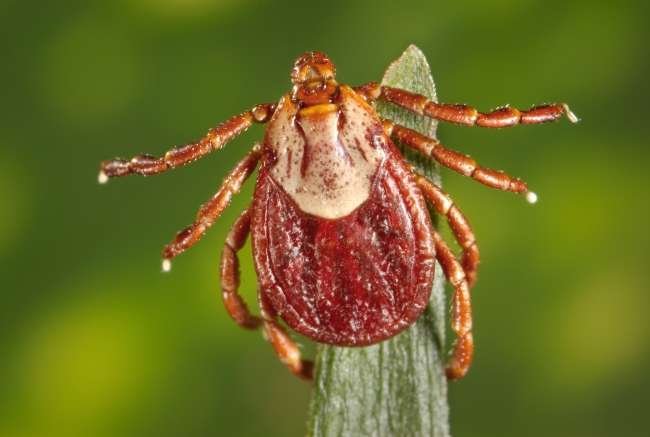
Let’s talk Ticks!
If you have watched the news lately you might have seen headlines such as “2025 to be a hot year for ticks in the US” or “Explosive increase of ticks due to climate crisis”. Tick season has started and with the hot, humid weather seen across the United States, tick populations are on the rise.
However, this doesn’t mean you should avoid the outdoors! Instead, the following tips and suggestions will help you learn small, simple steps that you can take to help you avoid ticks while outside. These steps make summer stress free (at least in relation to ticks!). Because Adventure shouldn’t come with a side of anxiety
The Science behind the Tick Boom
The increase in tick populations is due to many factors. Warmer temperatures and milder winters mean that more ticks are surviving the winter. Ticks are active longer which allows them to feed and reproduce more. The net result is larger populations.
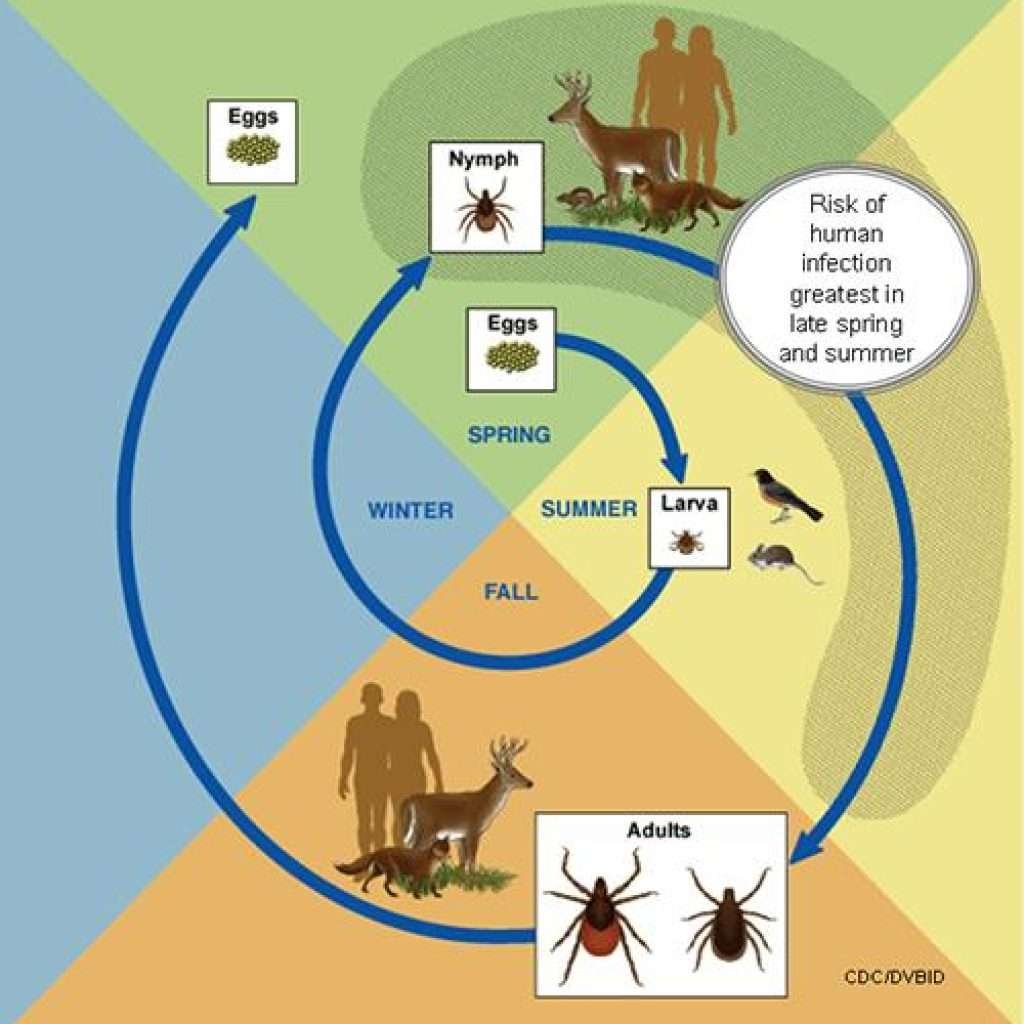
In addition, as temperatures warm, ticks are expanding into new regions allowing them to colonize areas they haven’t been in before. Hosts such as deer and mice are also more prevalent which also helps tick populations grow. Net result? You guessed it, larger populations.
Finally, humans can impact tick predator populations. By removing tick predators, we take away nature’s way of reducing populations. Again, the net result is larger tick populations.
Why do we care if there are more ticks? Ticks can spread bacteria, viruses, and parasites. These can cause disease in humans such as Lyme disease, Colorado Tick disease, Rocky Mountain Spotted Fever, and several others.
What can you do about this? Well, you don’t need to know every tick species out there. Instead, you need to know how to avoid them and what to do if you find one on you. That is where MyOutdoorJoy comes in. Follow these next steps and you can make the tick risk manageable!
MyOutdoorJoy Way to Tick Prevention
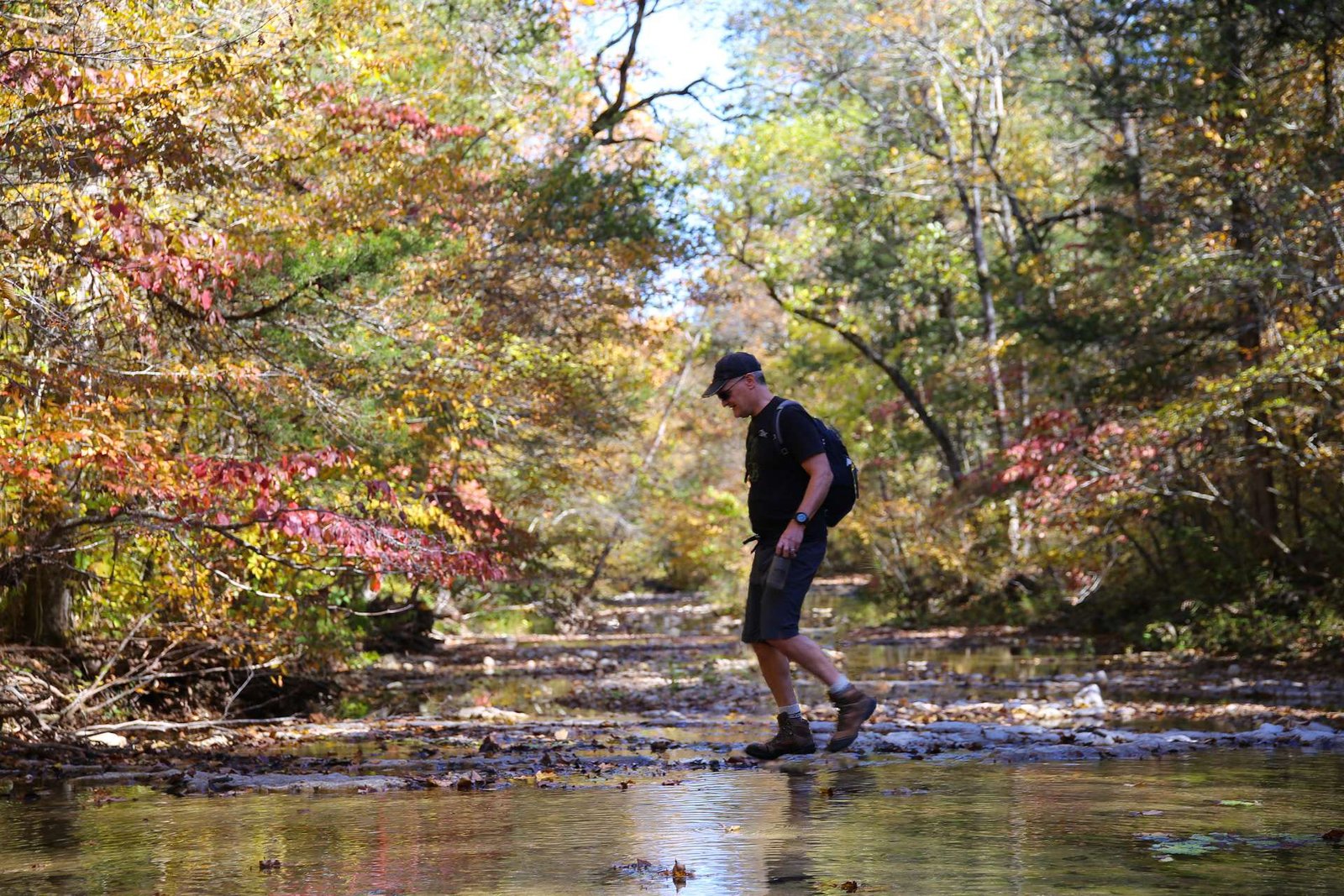
- What to wear: One way to avoid ticks is to coverup. Wear loose, lightweight clothing and closed toe shoes. Tuck your shirt into your pants and your pants into your socks. Light colored clothes make it easier to spot ticks if they do get on you.
- Treat your gear: Have you heard of permethrin? It is an insecticide that kills ticks on contact. It disrupts their nervous system, which causes them to fall off. By treating your gear, you create an effective barrier between you and them. The wonderful thing about permethrin is that you don’t have to reapply it every time. You can treat it once and forget it for several outings!
- Smart habits: Since ticks like tall brush and wood areas, stay in the middle of the trail or path. Avoid bushwhacking new trails or hiking in tall grass. You can also use insect repellant. I always spray my ankles and lower legs!
These tips will help you avoid ticks with no hazmat suit required.
The 2-Hour Shower Rule (And Other Things No One Tells You)
Sometimes it seems like everyone knows the rules of how to stay safe outside except for you. When I started in this field it amazed me how many unwritten rules and understandings there were. Well, I’m here to share a couple of these rules regarding ticks.
- Do tick checks: these simple checks are priceless, and they don’t have to be gross or awkward. Here are the steps to follow:
- Check your clothes first particularly the cuffs and collars.
- Do a full body scan using your eyes and your hands. Start with your head and hair. Then move onto your body including your underarms, around the waist, your legs and feet, ears, belly button, groin, and other areas.
- Use a mirror or ask for help to check you back and behind your knees.
- Take a post hike shower within two hours of being outside. After you have checked your clothes and you body, it is time to shower. Ticksoften crawl around for a while before biting. If you shower soon after coming back inside you can wash them off before they attach.
- Don’t forget the kids and the pets!
- If you had any bedding with you, wash the bedding in hot water as soon as you get home.
Pro tip: Use a lint roller and roll it over your skin as well. This will help get any ticks that are tiny. Keep one in the car and roll it over your seats. This will catch any stragglers before they come inside.
Found One? Here’s What to Do (No Panic Necessary)
Okay, so you followed the rules, wore the correct clothing but you still found a tick during your tick check, and it has already attached. Now what?
What to do:
Remove the tick as soon as possible using a set of fine tipped tweezers if they are available. If not, any tweezers will do.
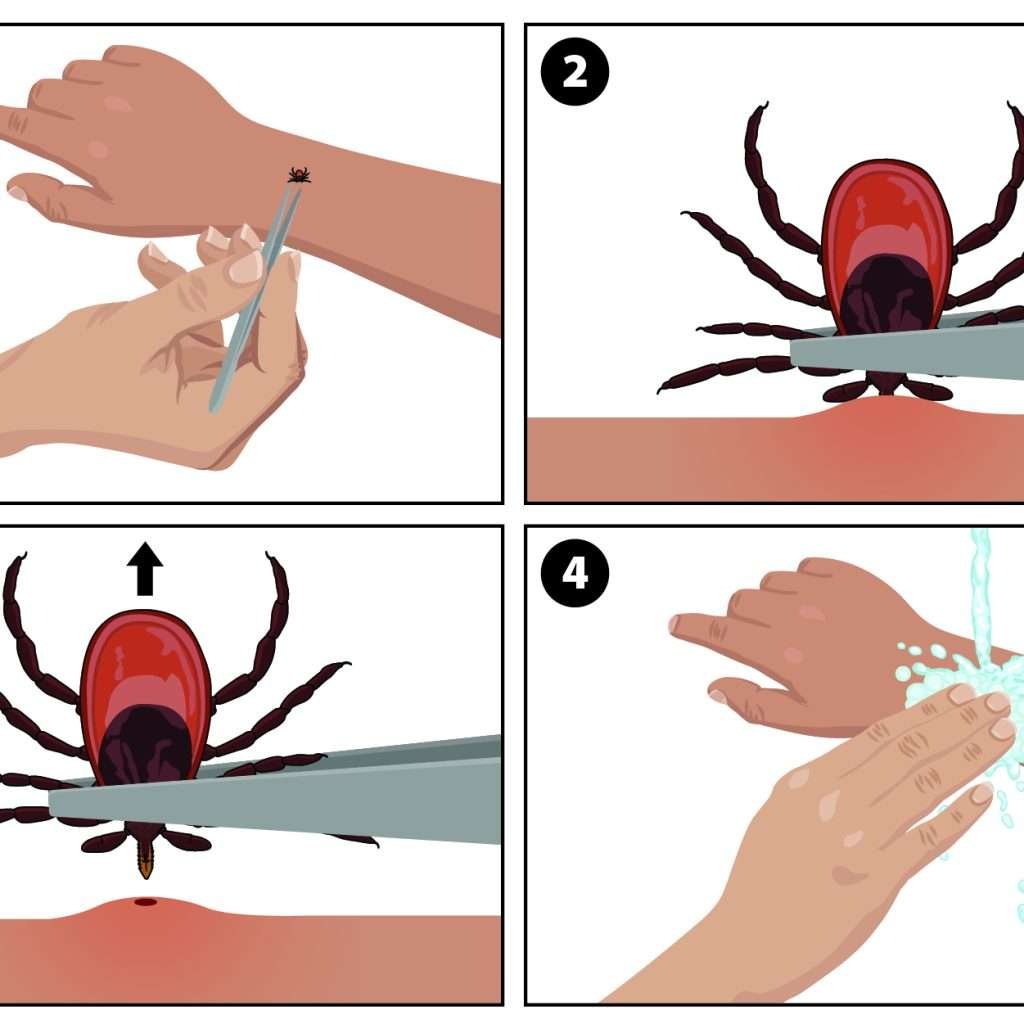
- Grasp the tick as close to the skin as possible to avoid squeezing the tick’s body.
- Pull the tick away using a slow, steady pressure. Do not twist or jerk the tick as that can cause its mouthparts to come off in your skin. If that does happen, try to get the mouthparts. However, if you can’t, don’t worry. Your body will push the parts out eventually.
- Put the tick in a sealed container. Wrap the container in tape and flush it down the toilet or put the tick in alcohol.
- Thoroughly clean and wash the area with soap and water. If that isn’t available hand sanitizer will also work to disinfect the area.
What not to do
- Do not use heat, nail polish or Vaseline (or other petroleum jelly products) on the tick. This will not make the tick let go. Instead, it could cause the tick to inject infected fluid into the bite.
- Do not crush the tick with your fingers.
Symptoms to Watch Out for
Tickborne illnesses can have similar symptoms to each other and to other illnesses. If bit, watch for these symptoms. If you develop them within a couple of weeks of being bit, see your doctor.
- Fever
- Headache, fatigue, and/or muscle aches
- Rash
- Weakness or paralysis that gradually move up your body.
Just remember, most tick bites don’t lead to illness. However, knowing what to look for helps you stay ahead of the curve. You can always discuss the bite with your doctor if you are worried.
Nature is Worth It
Don’t let the fear of ticks or other wildlife keep you from exploring the outdoors. There is so much to see and do just outside your door. Ticks exist in nature but with these tips and tricks you’re not powerless. Start your journey simply by joining one of our hikes and learn more ways to enjoy the outdoors safely.
- About the Author
- Latest Posts

I have worked in the environmental education field for over 20 years, including work at zoos, aquariums, nature centers, and now state parks. My goal over the years has been to help people connect with nature and the animals that live there. I love taking people who find nature scary or intimidating and showing them how fun it can be. I have worked with wolves, cougars, monkeys, snakes, alligators, and sharks. My mom keeps asking me why I work with predators so much. She wishes I’d work with bunnies instead!
I love reading, scuba diving, kayaking, and anything else that involves water. I am not much of a hiker, but I love sitting in the forest and listening to the wind. I will travel anywhere you want me to go, and I genuinely believe seeing how others live, and love is the best way to understand others. One of my favorite memories is when I was accepted into a wolf pack that I worked with as a teenager. Two juvenile males sandwiched me between them and gave me a hug-—nothing like being the middle of a wolf sandwich!