
Make Fall Hikes Safer with a few helpful Hints
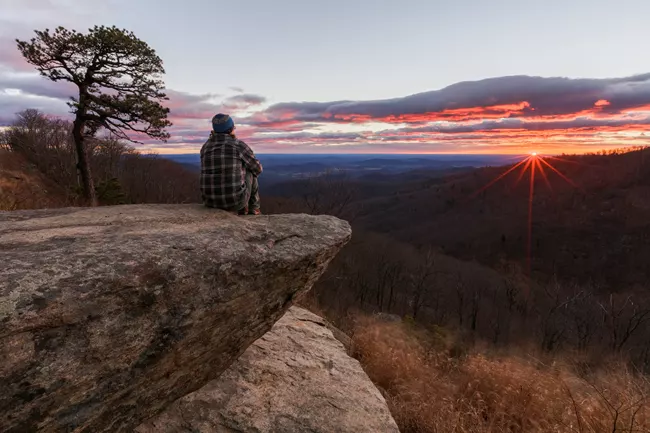
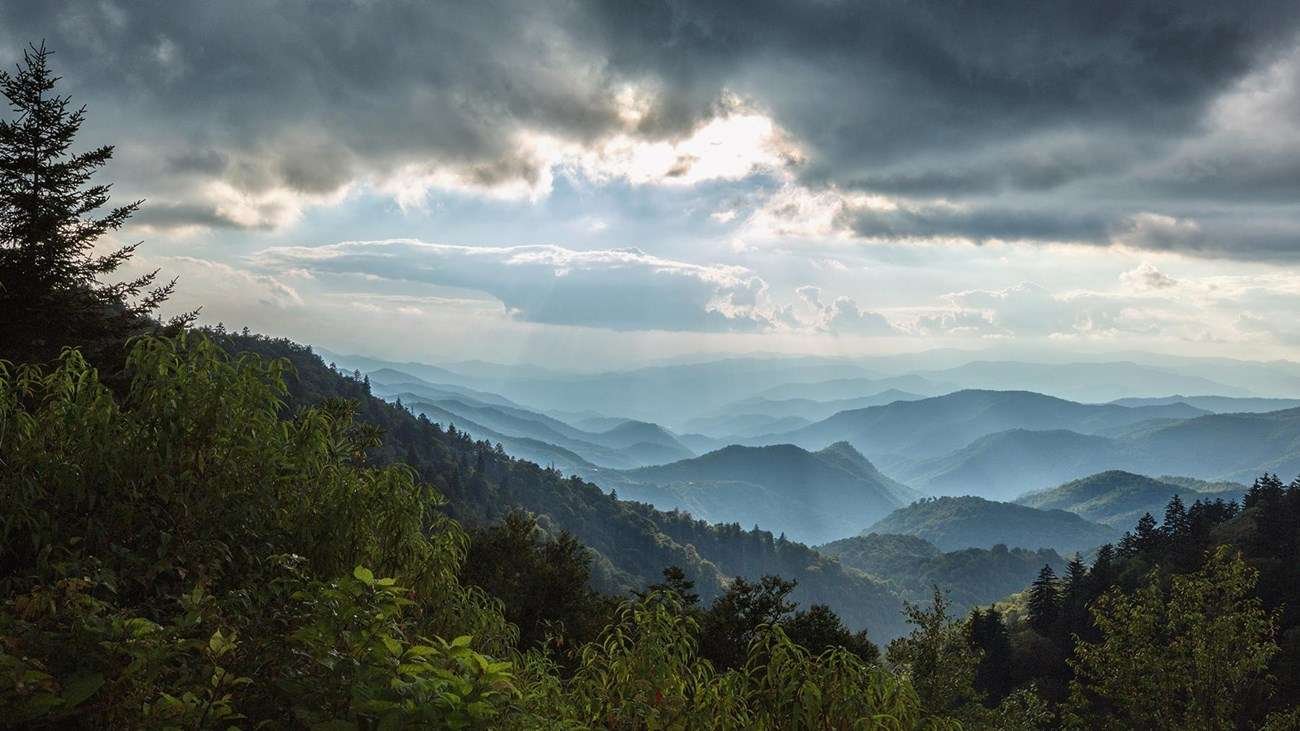
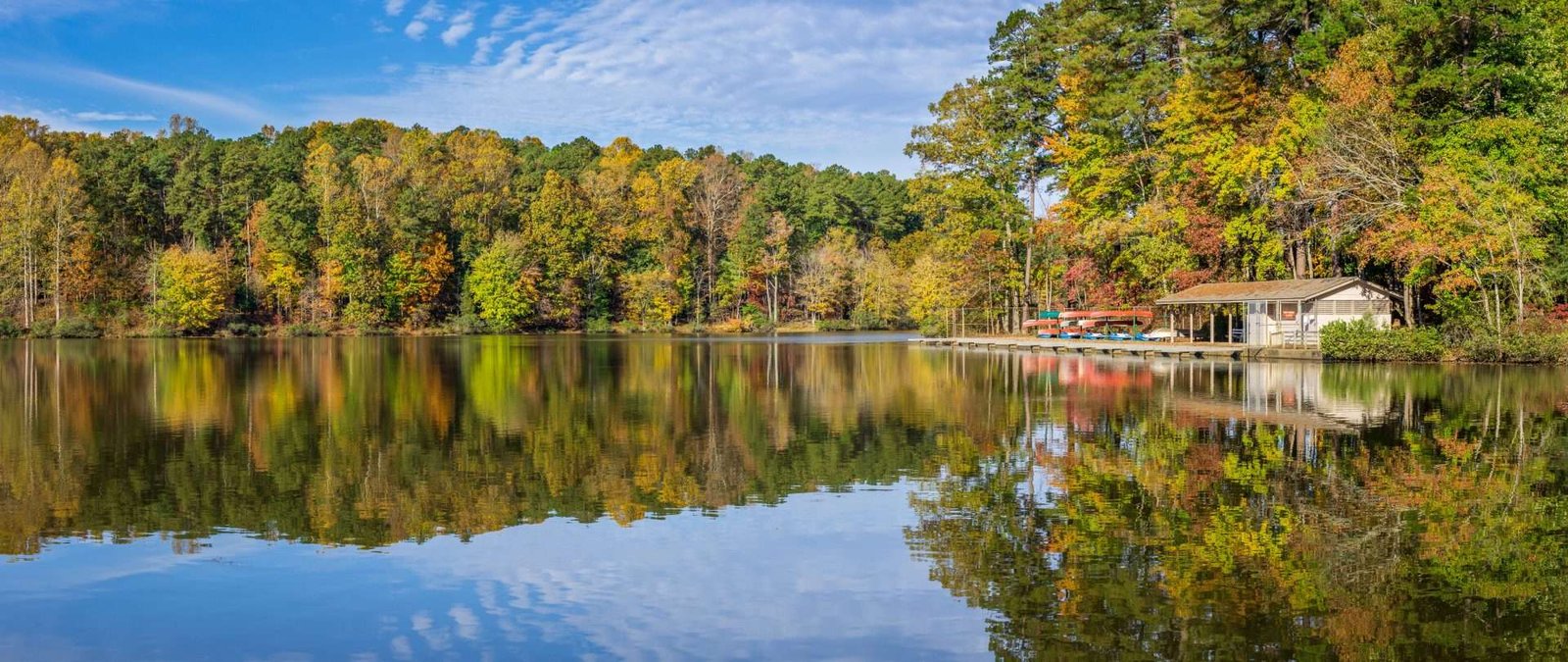
As we say goodbye to summer and begin welcoming the cooler weather, many of us feel the pull to get outdoors for some adventurous autumn hiking. Between the crisp chill in the air and the amazing views, it’s a perfect way to soak up the season.
Before hitting the trail, though, it’s smart for everyone to keep a few basic tips in mind.
Be mindful of physical shape
Even a beginner-level hike may not be easy if you’re not physically prepared for it. If you haven’t already been walking or getting other forms of exercise regularly, check with your doctor and consider preparing for upcoming treks ahead of time with some cardio- and strength-training exercises to condition your core, legs, and endurance. Then, try going for a short practice hike (or several) near home or even a walk with a loaded backpack to see how your body feels with it.
Do a weather check
While getting caught in the rain on a normal day is seldom fun, being stuck in a thunderstorm when you’re outdoors and possibly without any shelter is much worse—and may become dangerous. Try to avoid weather issues altogether by repeatedly checking the forecast in the immediate area where you plan to hike. Since the weather where you live may be much different from what’s predicted in the mountains, forests, or desert, be as specific as possible when searching forecasts in other regions.
Consider options and choose a trail that fits
Although it might be tempting to just spontaneously head for the nearest trail as soon as temperatures start dropping, seasoned hikers often carefully consider multiple factors when choosing a good route. After all, a safe (and fun) hike should match your ability—so look at the path itself, the wildlife that may be present, the surroundings, altitude, and more. These will all play a role in how you prepare; for example, not checking up-to-date trail conditions prior to heading out can result in a slippery surprise on a mountaintop if ice is present and your shoes aren’t adequate.
Dress accordingly for your trek
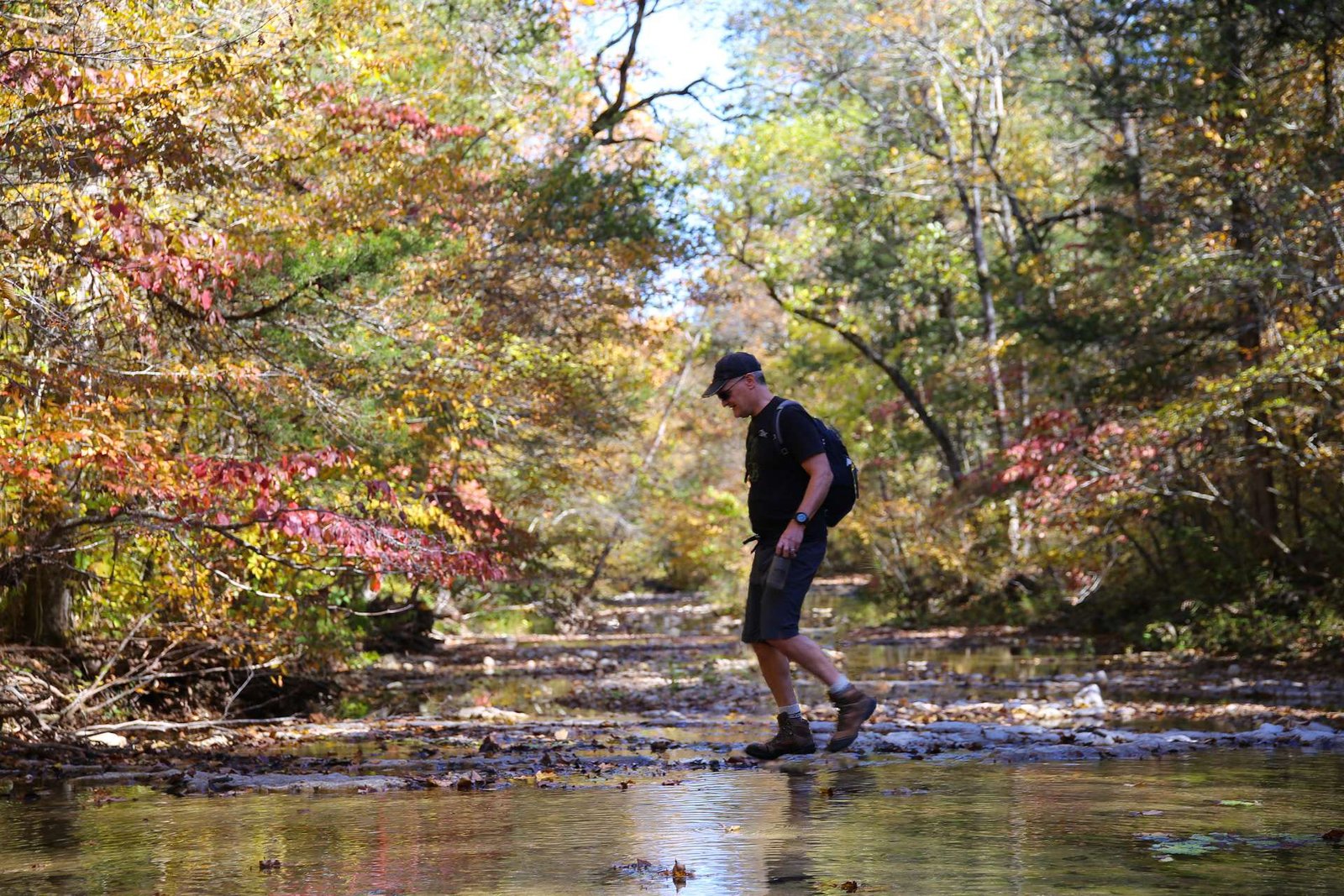
Speaking of shoes, dressing properly for a hike is always a wise plan. Ideally, you should wear well-fitting boots that provide enough cushioning and grip to support you on uneven terrains. Standard crew-length socks are usually good; choose wool or synthetics (not cotton) to reduce moisture and friction.
Keep the rest of your outfit lightweight and moisture-wicking to maintain comfort throughout the journey. Do pack extra layers and a light raincoat, however, in case the weather throws any last-minute surprises your way.
Pack hiking must-haves
Depending on the kind of hike you’re planning, you’ll want to take along several essentials included in the following list. Although a repair kit or an emergency shelter may not seem necessary on a shorter expedition, it’s just smart to prepare for the unexpected—especially if you’re hiking alone.
- First-aid kit: bandages, antiseptic, alcohol pads
- Water and food: at least enough to cover an extra day on the trail
- Navigation tools: map, compass, and/or GPS
- Emergency shelter: a tent, sleeping bag, waterproof tarp, etc.
- Illumination: a headlamp, flashlight, etc.
- Extra clothes: think layers in case the trip gets chilly
- Fire-starting supplies: matches in a waterproof container or a lighter
- Protection from sun: sunscreen, sunglasses, hat, even a jacket with a hood
- Repair kit: duct tape and a knife or multifunctional tool
- (Bonus) Safety whistle and bug spray (and/or bear spray)
And speaking of hiking alone…
If possible, don’t! There’s safety in numbers, so consider asking a friend (or several) to go with you. Plus, enjoying the weather and gorgeous fall foliage is more fun when you can share the experience with someone else!
When that’s not doable, at least let a few others know where you’re going. Keeping them up to date on your plans adds a layer of safety in case you’re not back when you planned to be.
Know your limits—literally and figuratively
Even if you’re feeling extra-adventurous, stick to the trail. Hikers who venture off the beaten path can end up crushing plants, disturbing wildlife, and inadvertently creating what appears to be another trail that future hikers might mistake for the correct one. In addition, thick vegetation presents more challenges if you go off-course, so it’s easier to lose your sense of direction—and make a rescue mission more difficult.
And if you start feeling tired or unable to finish the trek, and turning back right away is shorter, give yourself permission to do so. Waiting too long to call it quits could increase the risk of injury, exhaustion, or other issues.
Have fun
When hiking always have a plan and that plan includes more than equipment, most challenges during a hike are due to experience and knowledge. MyOutdoorJoy offers classes in hiker safety, that are available when you are ready to hit the trail.
- About the Author
- Latest Posts

If the phrase don’t judge a book by its cover was an image, it would be me. I am an avid outdoorsman that loves to teach people about the outdoors whether its specific skills like camping or just exposing people to different outdoor activities. I have been in the skilled outdoors space for 30+ years and have been loving it forever. If not for friends, I would still be focused on my corporate career instead of focusing on the things I love to do. My goal is to hit the Scottish highlands in the next 2 years.